Tired-looking eyes can make you appear older or more fatigued than you feel. Blepharoplasty in Dallas reshapes the upper eyelids and lower eyelids to address sagging skin, droopy eyelids, under-eye bags and puffiness, restoring a refreshed appearance. Dr. Abby Culver performs eyelid surgery as a board-certified plastic surgeon at her Highland Park practice, and she builds each blepharoplasty around the patient’s eyelid anatomy and aesthetic goals.


Dr. Abby Culver pairs an academic surgical background with patient-centered care on every blepharoplasty procedure. Her plans aim at natural-looking results that still read as the patient’s own features rather than a uniform aesthetic.
As a female plastic surgeon, Dr. Culver brings a perspective many patients value when they discuss facial rejuvenation. She runs each consultation on detail and plain language, and she respects patient autonomy throughout.

Newsweek and Statista named Dr. Culver to America’s Best Plastic Surgeons 2025.

Blepharoplasty, commonly called eyelid surgery, addresses the signs of aging around the eyes. Eyelid skin loses skin elasticity and collagen, and orbital fat shifts forward. The result is hooding above the lids, baggy eyelids below them, fine lines at the lid margin, and a tired appearance that does not reflect how a person actually feels. Surgeons use the term ptosis for a drooping upper lid margin, a separate finding from excess skin.
The procedure removes or repositions excess skin, excess fat and sometimes muscle tissue from the upper or lower eyelids. Dr. Culver evaluates eyelid anatomy, skin quality and the surrounding facial structure during consultation. Lower-lid fat pads, tear troughs and dark circles are graded at the same visit, because each one responds to a different technique.
Dr. Culver performs three variations of cosmetic eyelid surgery, all listed among her facial procedures in Dallas.
Upper eyelid surgery addresses excess skin and fat deposits on the upper lids, the most common cause of a hooded or heavy-eyed appearance. The incision follows the eyelid crease, the natural crease of the lid, where it fades significantly after healing.
For patients whose upper lid skin obstructs peripheral vision, the procedure also restores a clearer field of vision. That version is a functional blepharoplasty, documented differently from a purely cosmetic case.
Lower blepharoplasty targets under-eye bags, puffiness and fine wrinkles along the lid-cheek junction. Dr. Culver uses either a transcutaneous incision below the eyelash line or a transconjunctival blepharoplasty on the inner surface of the lid, depending on whether excess skin or fat repositioning is the primary concern.
Repositioning the lower-lid fatty deposits rather than removing them preserves volume under the eye. Removing too much fat there ages the midface.
Patients addressing both lids in one session, sometimes called a quad blepharoplasty, get comprehensive eyelid rejuvenation and a single recovery period. Total downtime runs shorter than scheduling two separate procedures.
Eyelid surgery produces aesthetic and functional gains. Results vary between patients.
Eyelid surgery removes the tired, heavy look caused by drooping eyelids and lower-lid puffiness. The result is an alert expression that better reflects how patients feel, without altering the fundamental shape of the eyes. Patients often report a lift in self-esteem alongside the physical change.
For patients whose upper lid skin has descended far enough to interfere with sight, blepharoplasty restores the visual field. This functional benefit is one of the few in cosmetic surgery that may qualify for partial insurance coverage when it is medically documented.
Lower blepharoplasty addresses the fat herniation and lid-cheek hollowing that creates the bags under the eyes. Dr. Culver often repositions the fat pads rather than removing them, which preserves facial volume while smoothing contours.
Eyelid contouring that addresses excess skin and fat distribution together produces lids which integrate naturally with the surrounding cheek and brow. Facial contours read as a healthier, well-rested version of the patient.
Most patients enjoy the benefits of blepharoplasty for ten years or longer. Natural aging continues, but the structural improvements to eyelid skin, fat and muscle support provide a lasting foundation. A second blepharoplasty is rarely needed.
Excess upper lid skin folds over the lash line, which makes eyeliner difficult to apply evenly. After upper blepharoplasty, makeup glides along a defined upper eyelid surface.
Blepharoplasty treats the eyelids. It does not correct dark pigmentation, brow position or crow’s feet.

Blepharoplasty works best when the patient is in good health and has realistic goals. During consultation, Dr. Culver evaluates eyelid anatomy, skin quality, muscle tone and overall facial structure to confirm candidacy. Not every patient is a candidate.
Blepharoplasty candidates typically share these characteristics:
Patients with thyroid conditions such as hypothyroidism, dry eye syndrome, glaucoma, diabetes or high blood pressure should raise these factors during consultation, because they affect candidacy, eyelid laxity and recovery.

The cost of blepharoplasty in Dallas typically ranges from $4,000 to $6,000, and the final figure depends on factors specific to each patient. Dr. Culver provides a personalized estimate during consultation. Our guide to how much blepharoplasty costs in Dallas breaks the eyelid surgery cost down line by line.
Several variables shape the total cost of a blepharoplasty procedure:
When blepharoplasty is performed for a documented functional reason, such as upper lid skin that obstructs the visual field, part of the cost may be eligible for medical insurance coverage. The cosmetic component stays an out-of-pocket expense. Dr. Culver’s practice offers financing through third-party medical lenders.


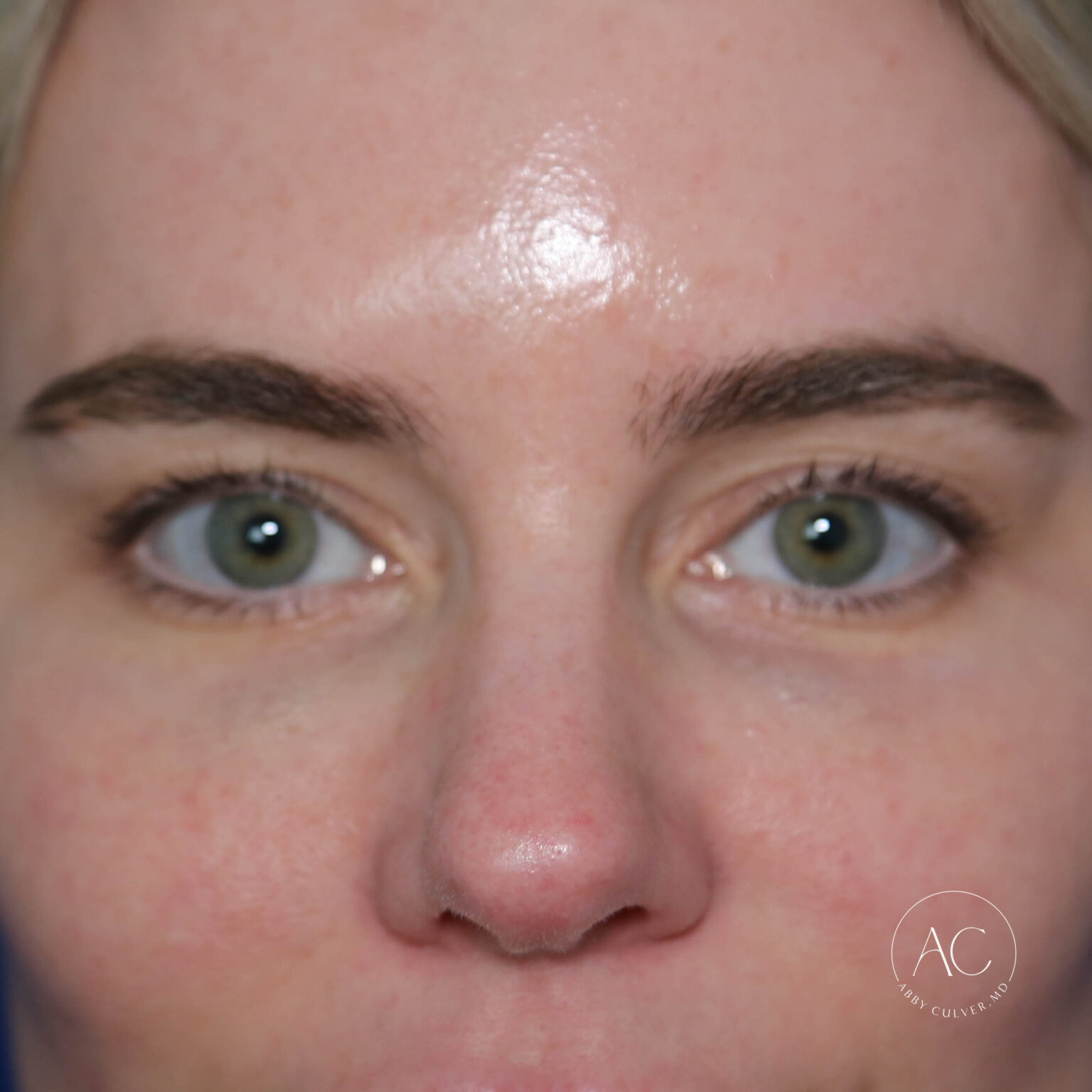
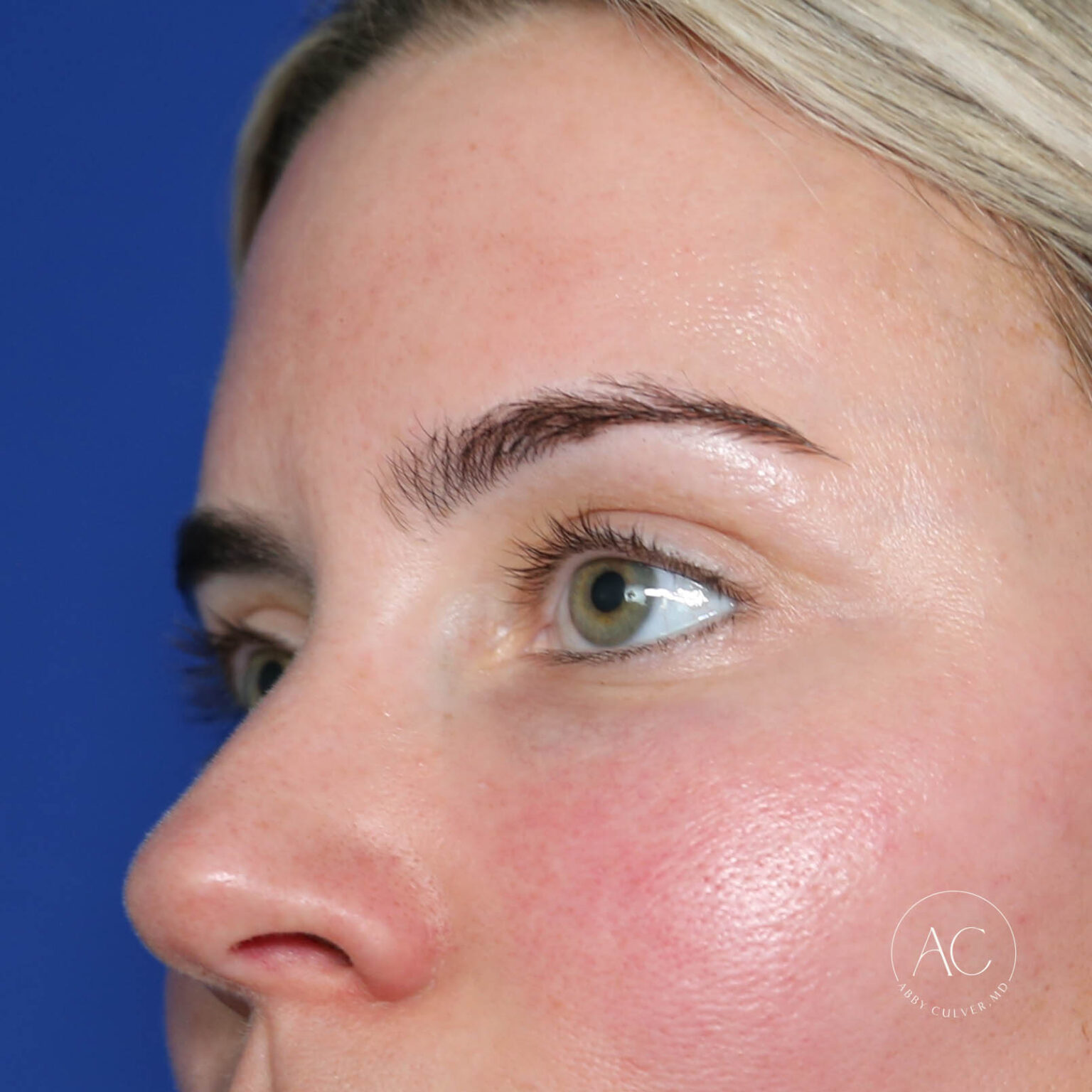
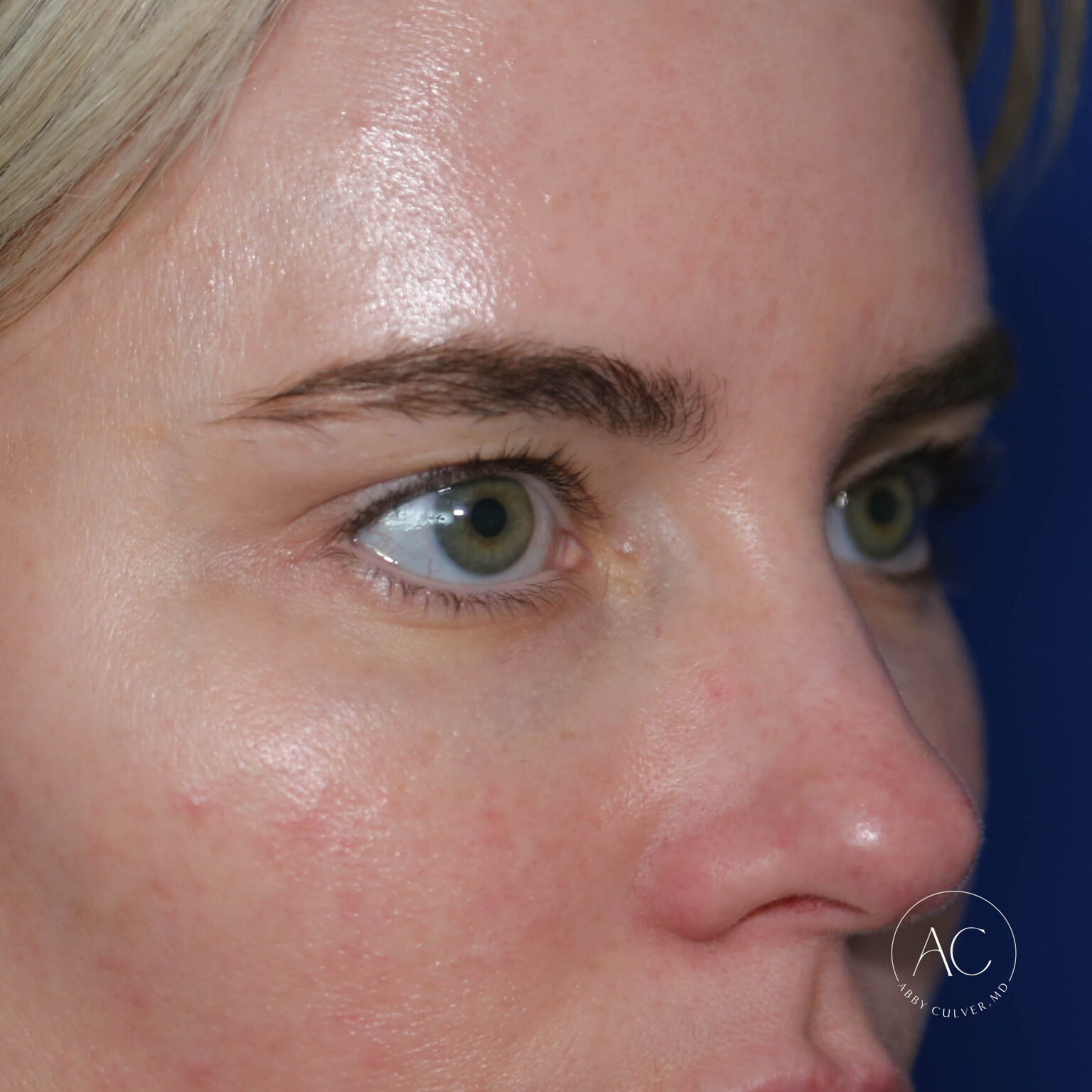
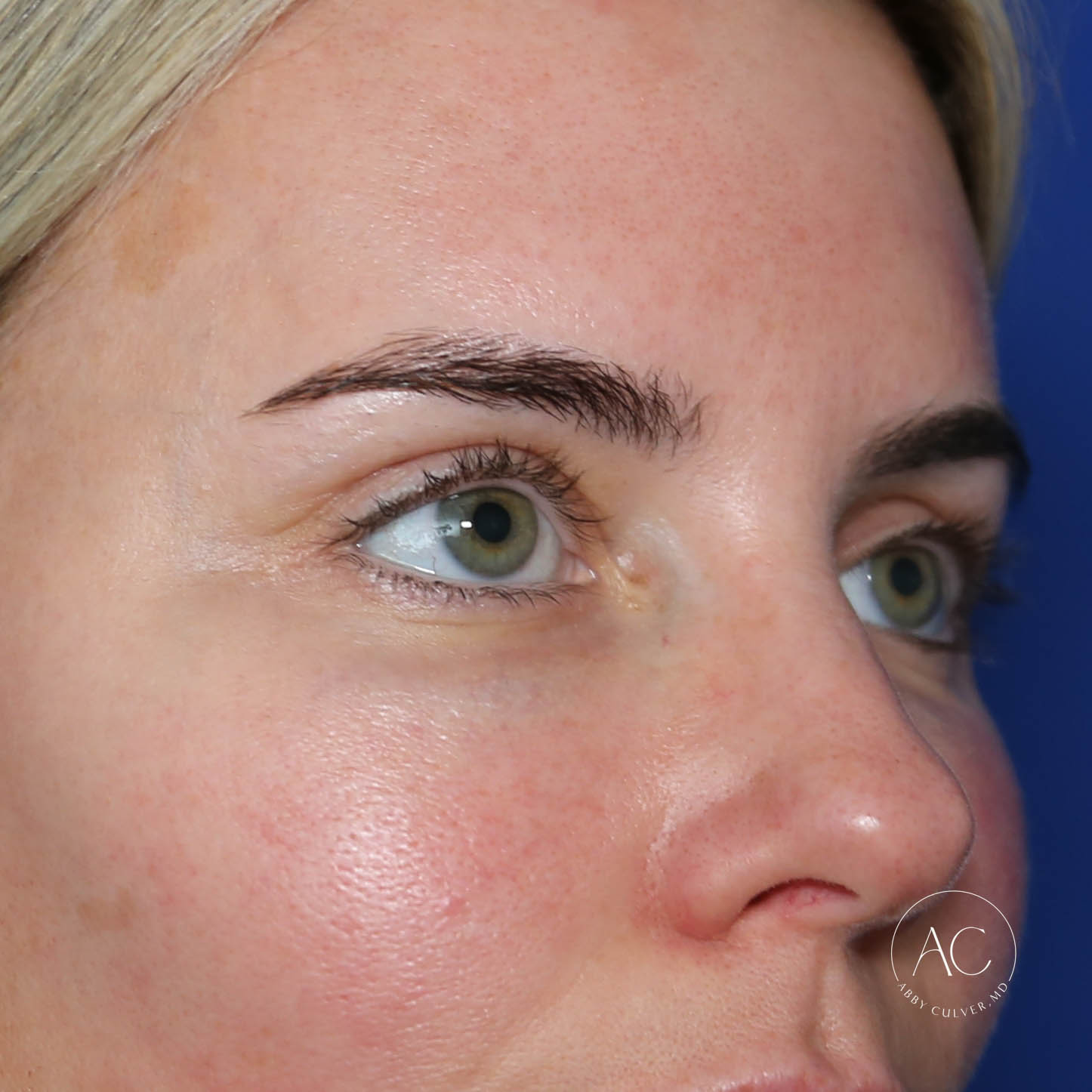
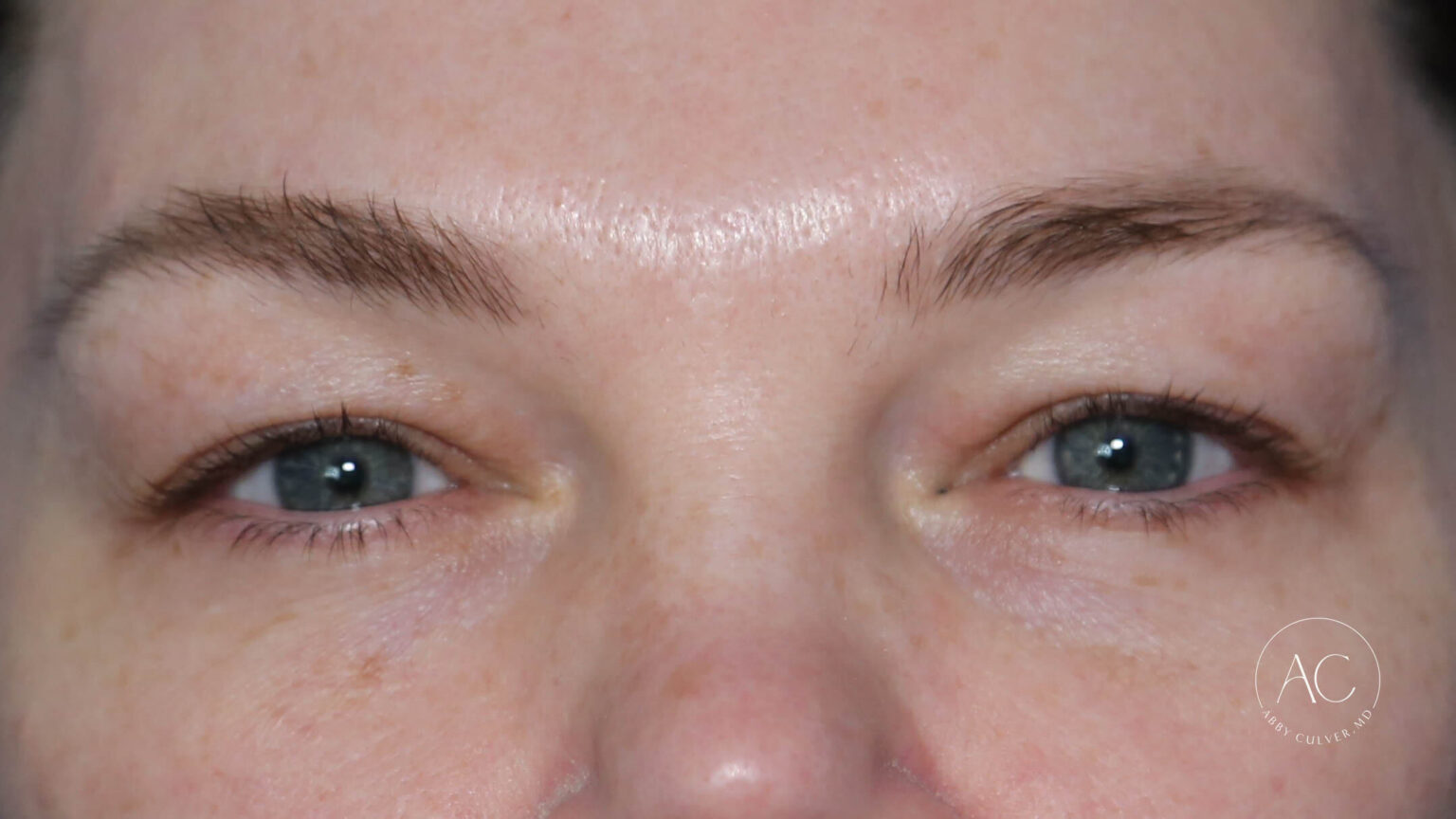
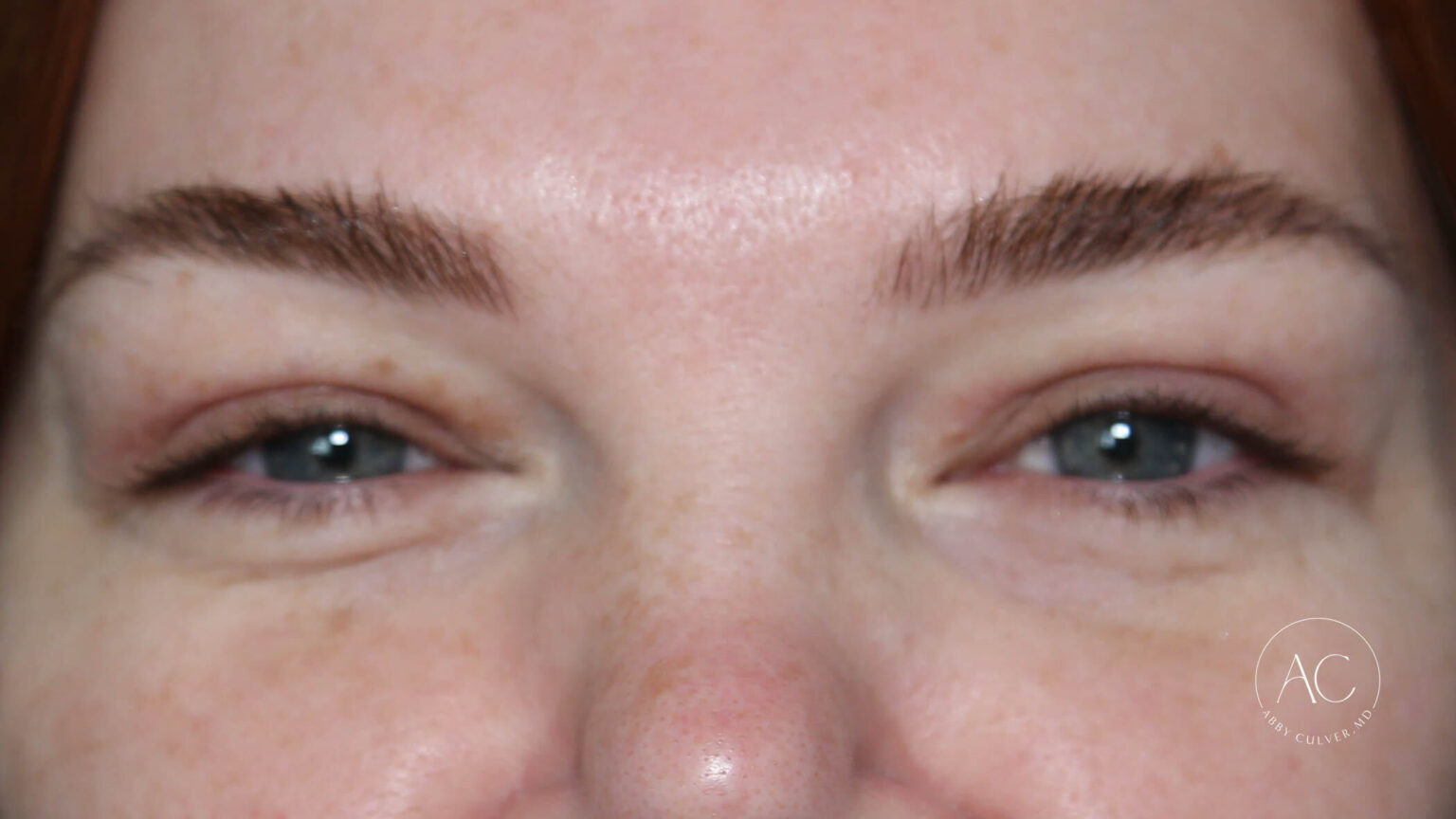
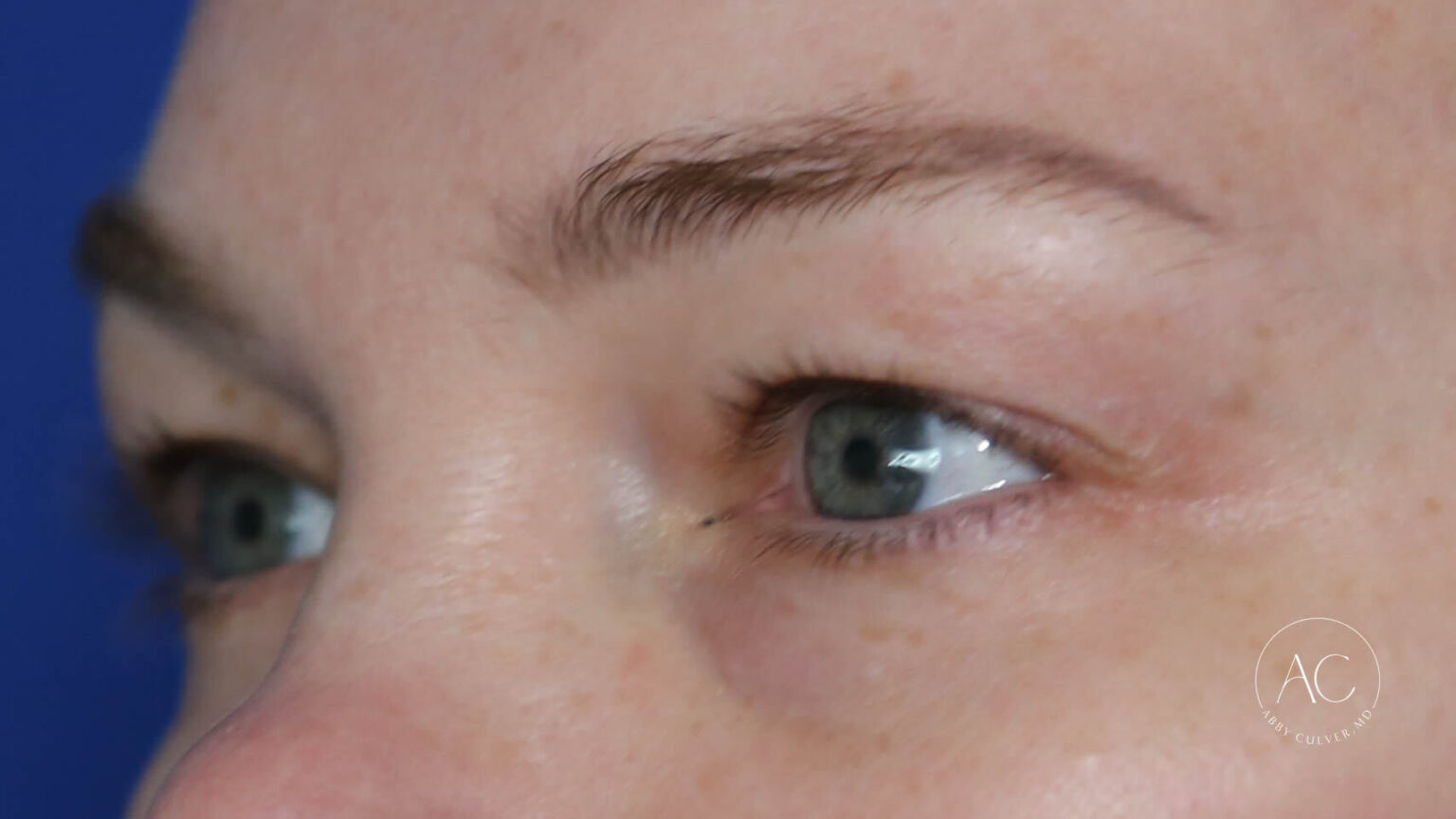
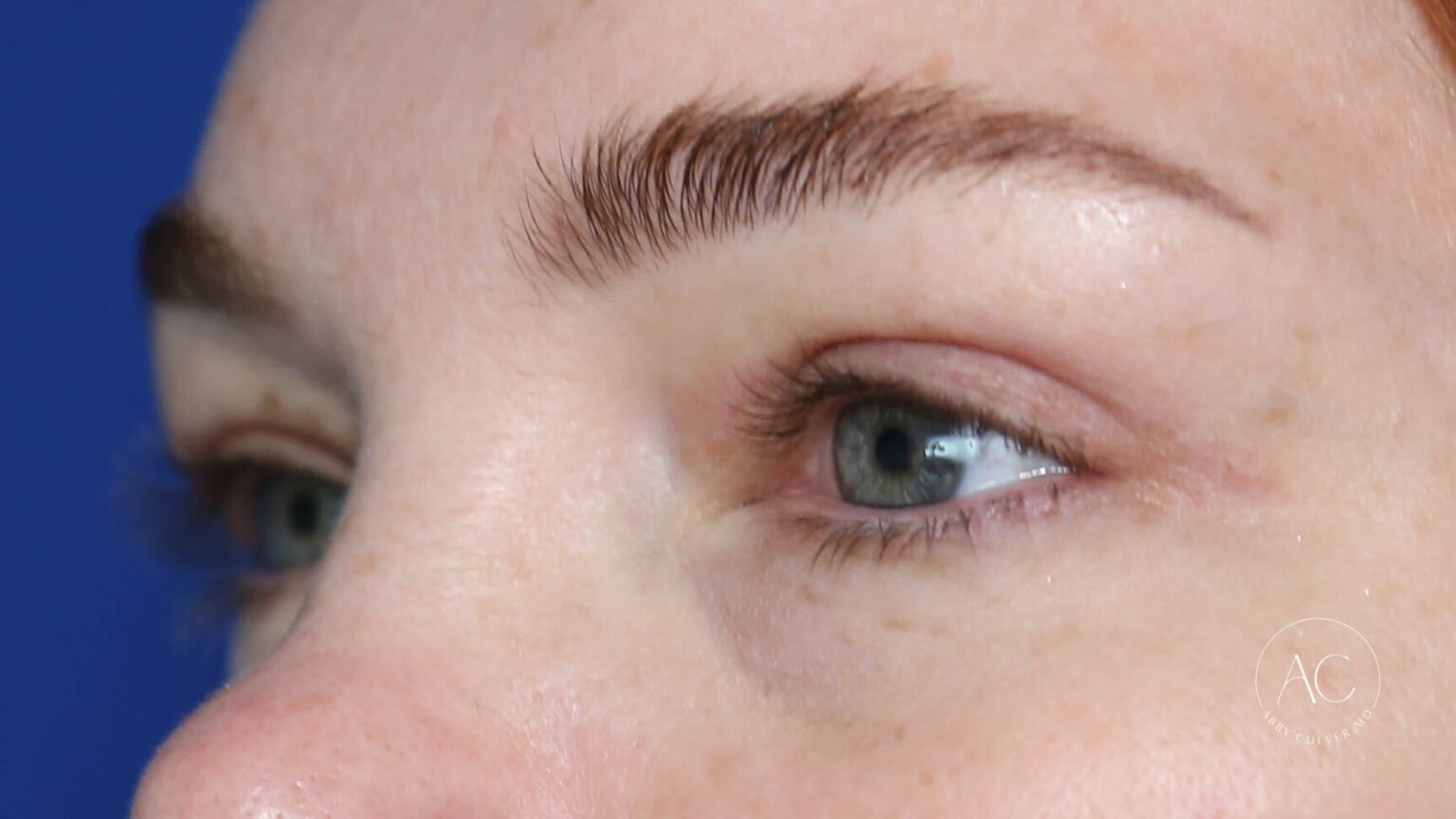
An eye lift can dramatically enhance your appearance by addressing drooping skin, loose tissue, and natural eyelid creases. By removing extra skin and performing fat repositioning through precise eyelid position adjustments, a skilled cosmetic surgeon reshapes the eyelids, reducing aging signs and leaving minimal scars.
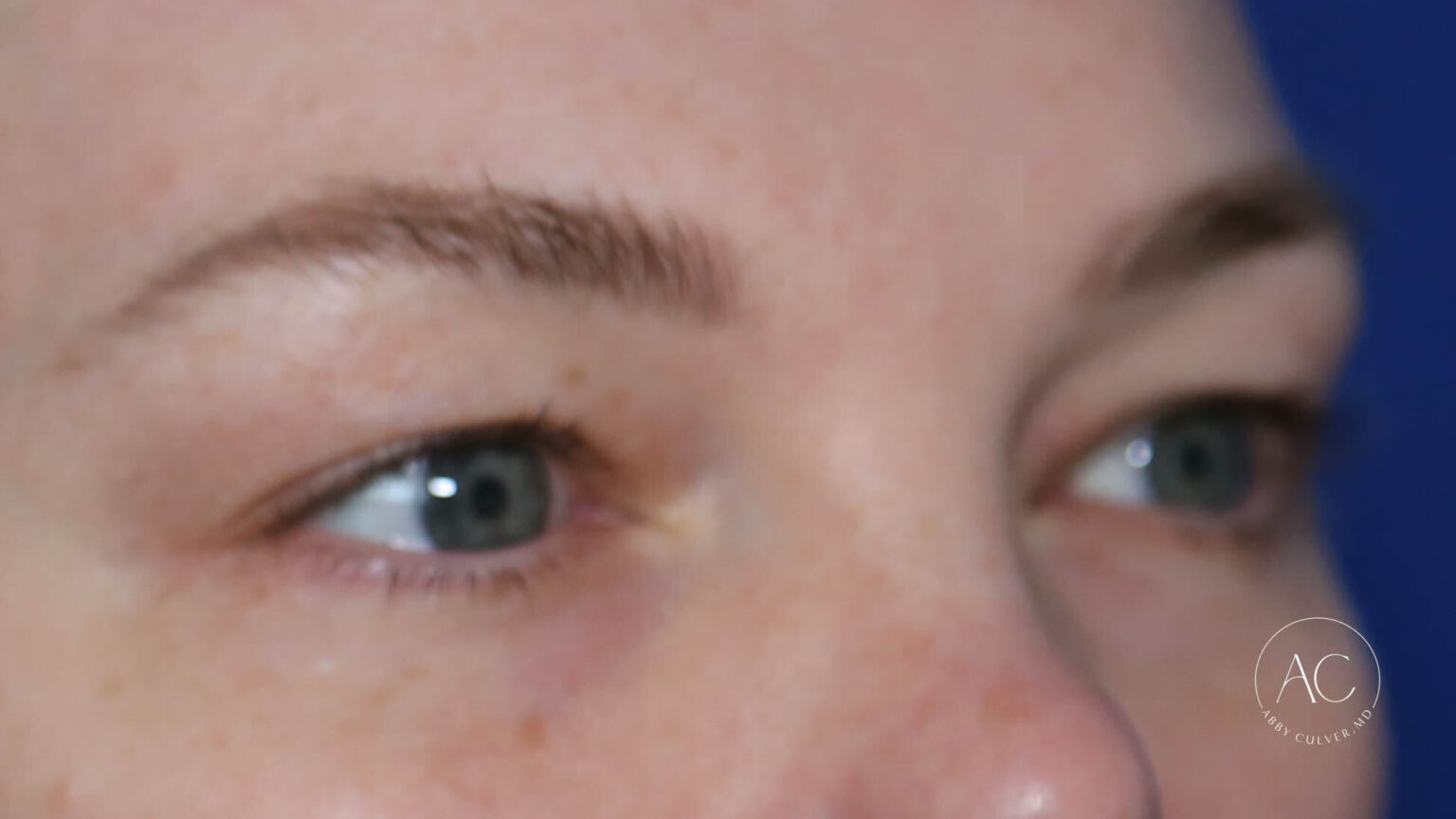
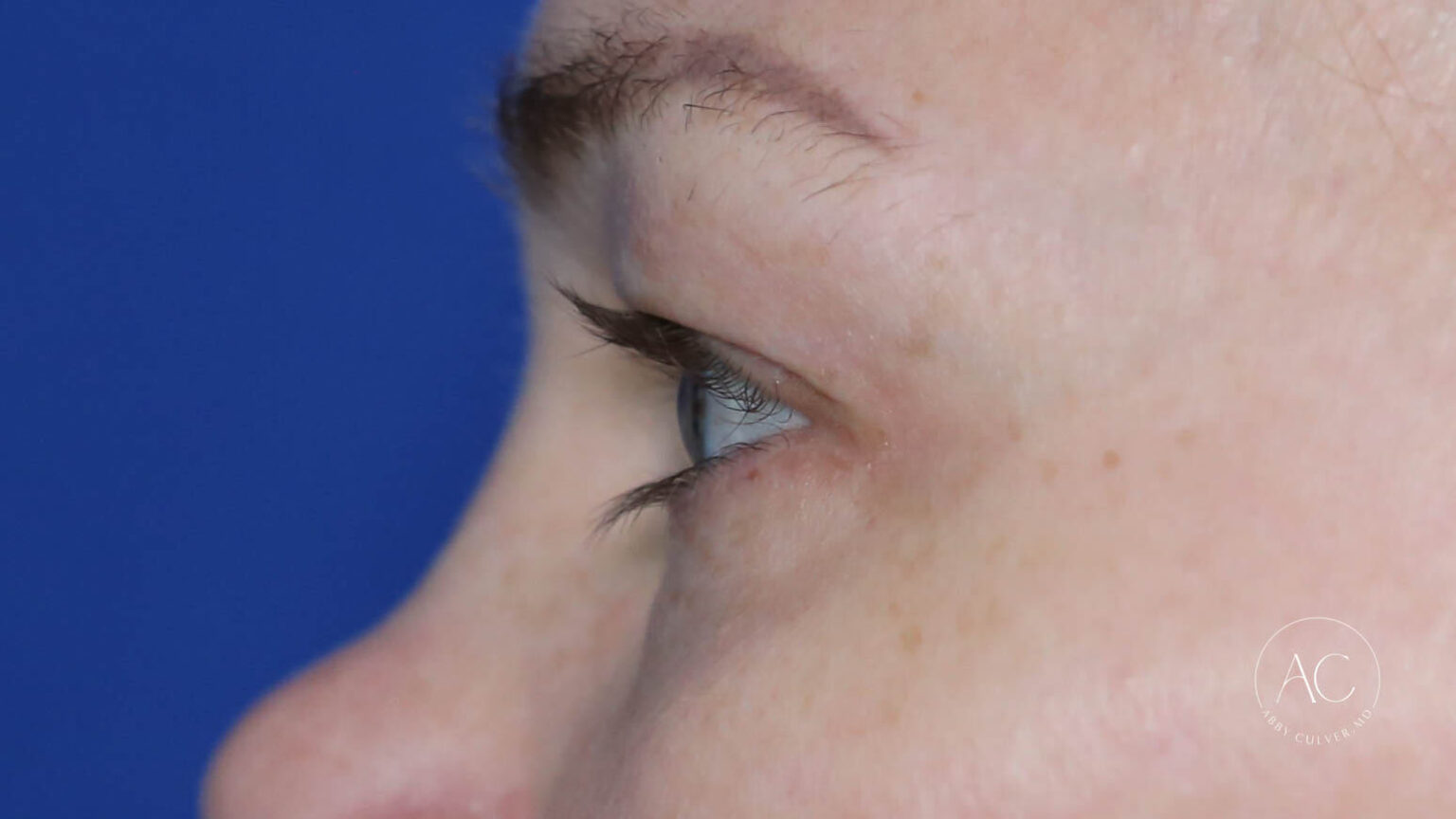
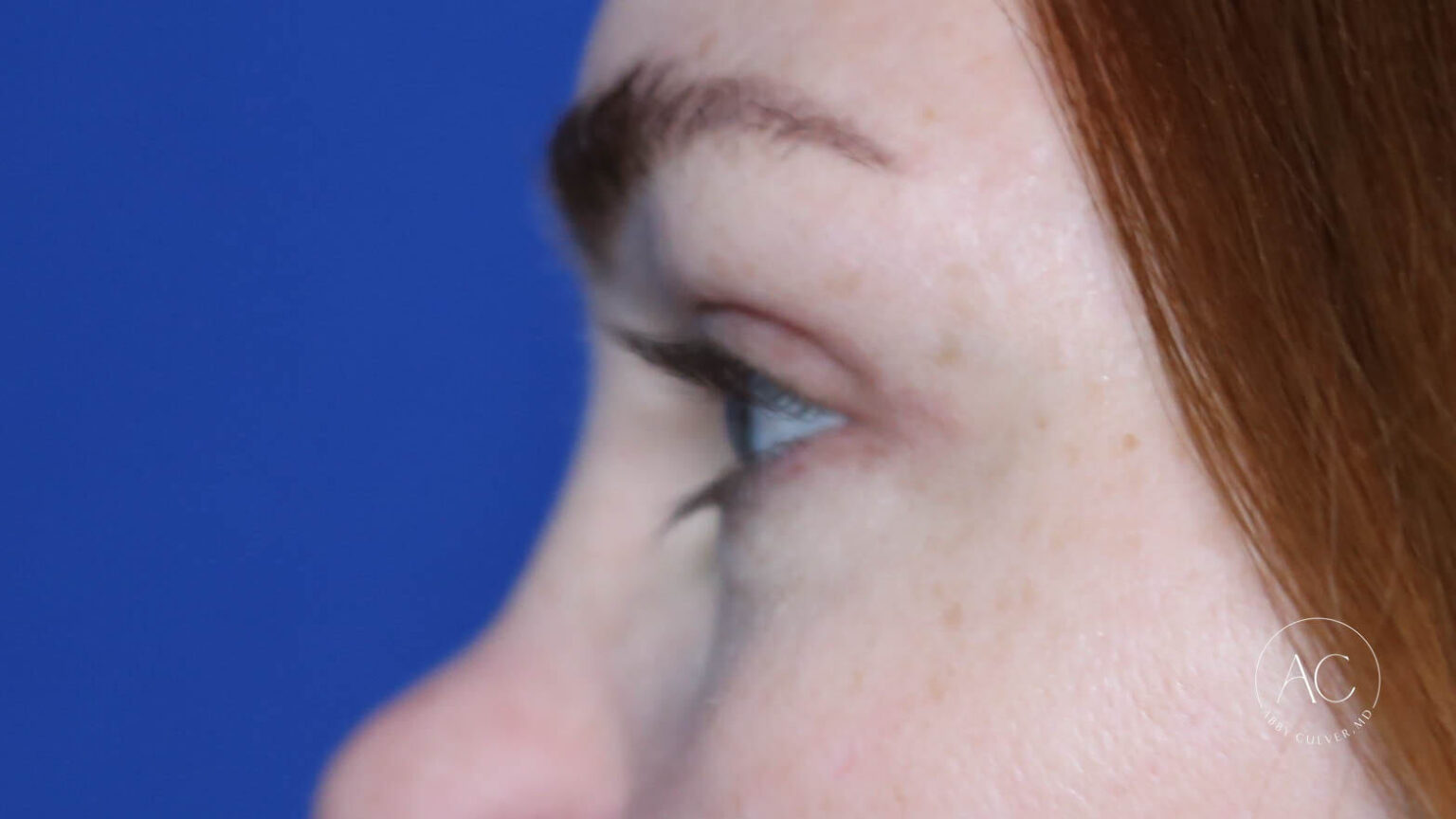
Here’s a look at what your face looks like before and after the surgery:
From initial consultation through recovery, Dr. Culver and her team guide each patient through a structured process built around comfort and individual care.
The blepharoplasty journey begins with an in-person consultation at the Highland Park office. Dr. Culver reviews the patient’s medical history, examines the eyelid anatomy and surrounding facial features, and discusses goals, technique, recovery and scarring in detail.
Patients leave with an individualized surgical plan and a personalized cost estimate. The treatment plan is never a fixed package.
Blepharoplasty is performed as outpatient surgery at an accredited surgical facility. Depending on scope and patient preference, it runs under local anesthesia with intravenous sedation or under general anesthesia, and takes one to three hours.
Incisions sit within natural eyelid creases or along the inner lid surface. Dr. Culver removes or repositions tissue with attention to symmetry and natural contour. Patients stop blood thinners beforehand.
Blepharoplasty recovery unfolds over several weeks. Most visible swelling and bruising resolve within the first two to three weeks, while final results emerge over the following months as residual swelling subsides. Our guide to blepharoplasty recovery covers the day-to-day detail.
What to expect at each stage:
Recovery varies with the extent of the procedure, healing characteristics and adherence to post-operative instructions.

Dr. Culver’s Highland Park practice welcomes eyelid surgery patients from across North Texas, including Plano, Frisco, McKinney, Fort Worth, Arlington, Allen and Richardson. The central Dallas location sits off the Dallas North Tollway and North Central Expressway, twenty minutes from DFW International Airport, which suits patients travelling in from elsewhere in the Dallas-Fort Worth metroplex.
Choosing a plastic surgeon for facial rejuvenation is personal. Dr. Abby Culver approaches each patient relationship with care and attention to individual goals, in a calm, private setting.
Dr. Culver brings a perspective shaped by her own experience as a woman in plastic surgery, one many patients find matches their goals around natural enhancement. The best blepharoplasty results come from a partnership between surgeon and patient, grounded in realistic expectations.


Most patients return to non-strenuous activities and desk work within 7 to 10 days. Visible bruising typically resolves within two to three weeks, and final results emerge over several months as residual swelling subsides. Strenuous exercise should wait roughly four to six weeks.
Blepharoplasty produces long-lasting results, and many patients enjoy the benefits for ten years or longer. Natural aging continues, and sun exposure, genetics and skin care habits influence how quickly subtle changes return. A second eyelid surgery is rarely required.
No. Dr. Culver’s approach preserves each patient’s natural eye shape and expression. The procedure removes or repositions excess tissue rather than altering the underlying eye structure. Patients look like a more rested version of themselves, and the youthful appearance comes from the lids.
Like any surgical procedure, blepharoplasty carries risks including infection, bleeding, asymmetry, dry eye and temporary changes in the field of vision. Serious complications are uncommon when a board-certified plastic surgeon performs the surgery. Dr. Culver reviews every risk during consultation.
Avoid strenuous exercise that raises blood pressure around the eyes, rubbing the surgical sites, and eye makeup until Dr. Culver clears it. Limit sun exposure and wear sunglasses outdoors. Set contact lenses aside until incisions heal, and avoid smoking and alcohol, which interfere with healing.
Eyelid surgery often runs alongside other facial work in the same session. Non-surgical treatments such as BOTOX and dermal fillers address different concerns; a non-surgical blepharoplasty does not remove excess skin.
A descended brow line often contributes to the heaviness above the upper eyelids that blepharoplasty alone cannot fully resolve. Combining a brow lift with eyelid surgery addresses both the brow position and the excess lid skin, which opens the upper third of the face.
Blepharoplasty refreshes the eye area. A facelift targets the lower face and jowls, and a neck lift treats the neck. Combining them in one surgical session consolidates recovery into a single period.
A lip lift restores proportion to the upper lip by shortening the distance between the nose and the lip border. Patients combining it with blepharoplasty often report a more cohesive facial rejuvenation.
Combining procedures is a surgical decision, not a discount. Dr. Culver stages surgery whenever combining would raise risk.