Thinking about a tummy tuck in Dallas? Dr. Abby Culver is a board-certified plastic surgeon who treats what diet and exercise cannot: loose skin, separated abdominal muscles, and fat that stays after pregnancy or weight loss. Abdominoplasty planning starts with your anatomy, not a template. As a female plastic surgeon, she builds each individualized surgical plan around one patient’s goals and skin quality.
Every plan starts with an exam. Not a price sheet.

Newsweek named Dr. Culver to its 2025 America's Best Plastic Surgeons list for abdominoplasty. She trained in the six-year plastic surgery residency at UT Southwestern and later joined its faculty. She is board certified by the American Board of Plastic Surgery and belongs to the American Society of Plastic Surgeons and The Aesthetic Society.


Abdominoplasty changes how the abdomen looks and works. Dr. Culver removes excess skin, tightens the abdominal wall, and refines the waistline in one operation. Results vary between patients.
Tummy tuck surgery excises redundant abdominal skin and redrapes what remains over a tightened abdominal wall. The abdominal contour flattens through the midsection. Patients finishing a bariatric surgery journey see the largest change. The flat stomach shows first in clothing.
Stretch marks below the navel sit in tissue a full abdominoplasty removes, so they leave with the excised skin. Marks above the belly button remain. Tightening softens them; nothing erases them.
A defined waistline gives patients reason to protect it. Dr. Culver asks for a stable weight before surgery and a healthy lifestyle after. Weight fluctuations and weight gain stretch the repaired abdominal skin again.
Pregnancy drives muscle separation down the midline, a condition called diastasis recti. Muscle repair reattaches the abdominal muscles, restoring core strength and easing the back strain a weak abdominal wall creates. Lifting a toddler gets easier. Pre-pregnancy clothes fit again.
Candidacy is a clinical judgment Dr. Culver makes at consultation. Not every patient qualifies, and a tummy tuck is not a weight-loss operation. It suits hanging skin after pregnancy and childbirth, or excess skin after massive weight loss. The ideal abdominoplasty candidate meets these criteria:
At your tummy tuck consultation, Dr. Culver measures skin laxity, tests skin elasticity, and checks whether the rectus diastasis needs full-length plication. That exam decides between a mini tummy tuck and a full abdominoplasty. She also covers compression garments, scar care, and your return to work.

Body type, goals, and how much skin needs to come off decide the technique. Dr. Culver performs each as outpatient surgery under general anesthesia. Less common variants exist:
A traditional tummy tuck reshapes the abdomen from the ribs to the pubic area. The incision runs hip to hip, low enough to hide under swimwear. The umbilicus is repositioned through the redraped skin flap. Dr. Culver sutures the separated abdominal muscles along the midline. No amount of training replaces that.
A mini tummy tuck treats the lower abdomen only. The incision is shorter. The belly button usually stays put, and there is no plication above the navel. It suits small pockets of fat and modest skin laxity below the waistline.
An extended tummy tuck carries the incision past the hips to the flanks and lower back. Patients who lost 50 pounds or more, after bariatric surgery or GLP-1 medication, carry folds a standard tummy tuck cannot reach. Skin tightening is the goal here. A panniculectomy removes the overhanging apron alone when muscle repair is unnecessary.
Lipoabdominoplasty pairs abdominoplasty with liposuction in Dallas of the flanks and love handles. A cannula clears the fat deposits that blur the waist, then the abdominoplasty removes the skin. Together they move the trunk closer to an hourglass figure.
Four techniques, one decision made together. Dr. Culver explains which approach your anatomy supports.
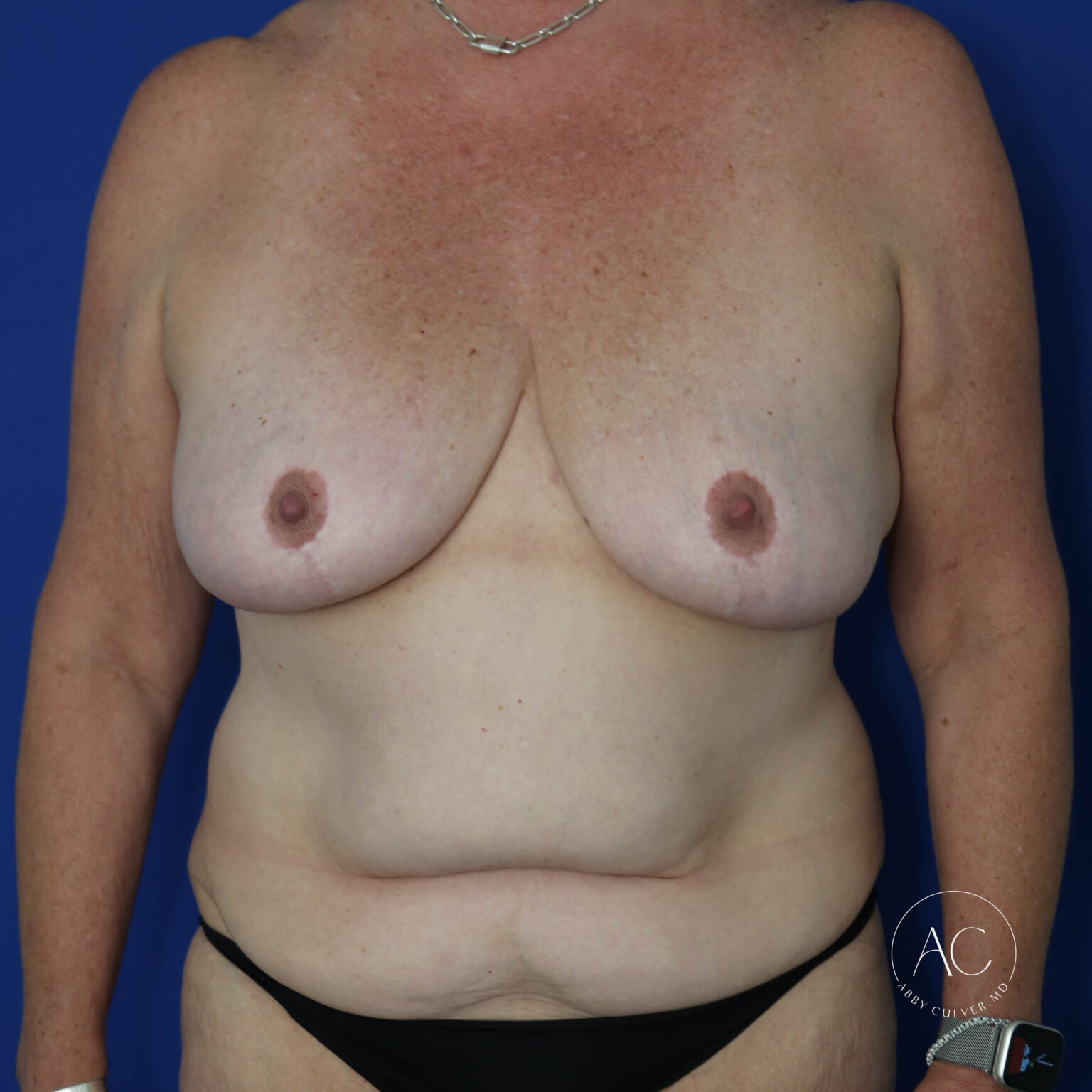
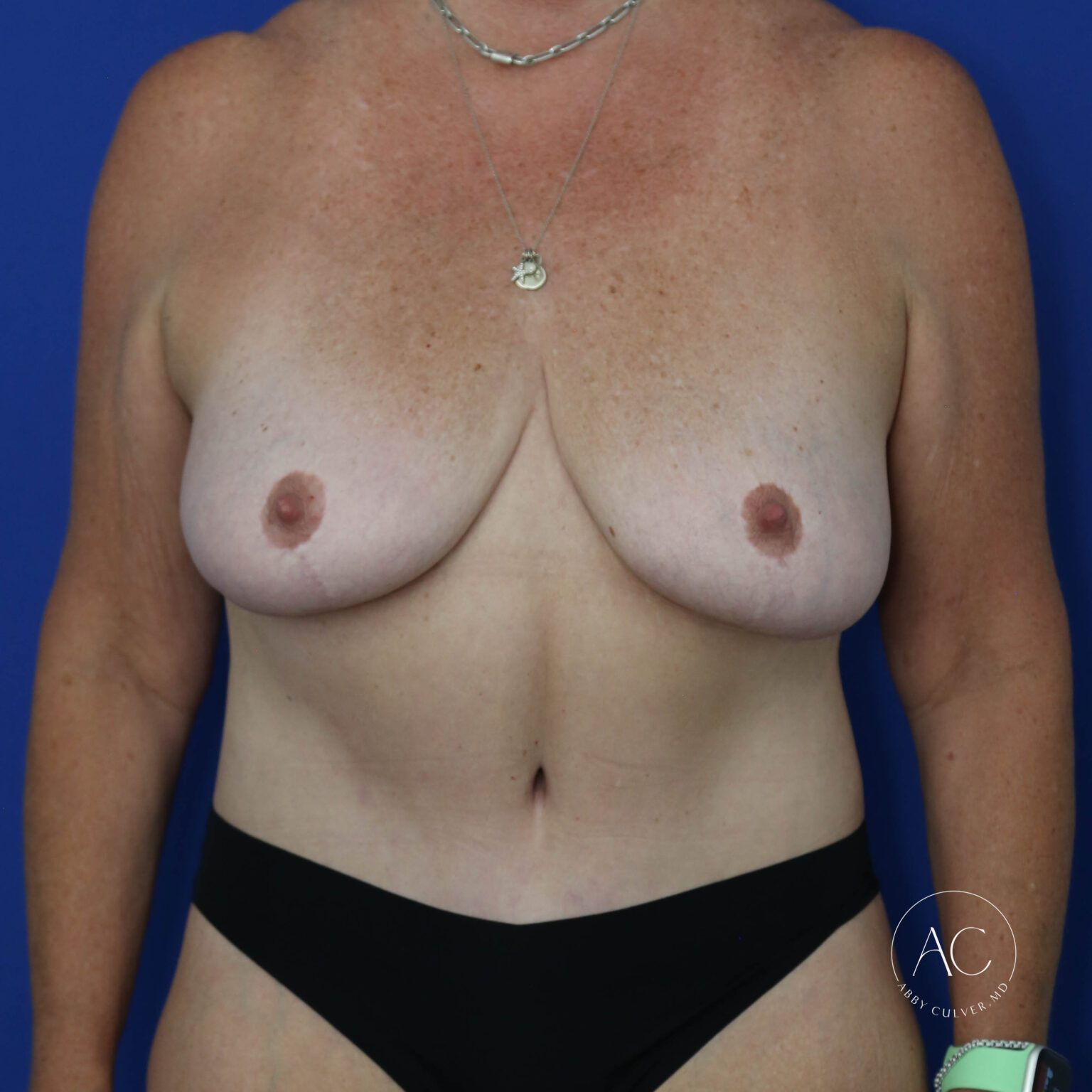
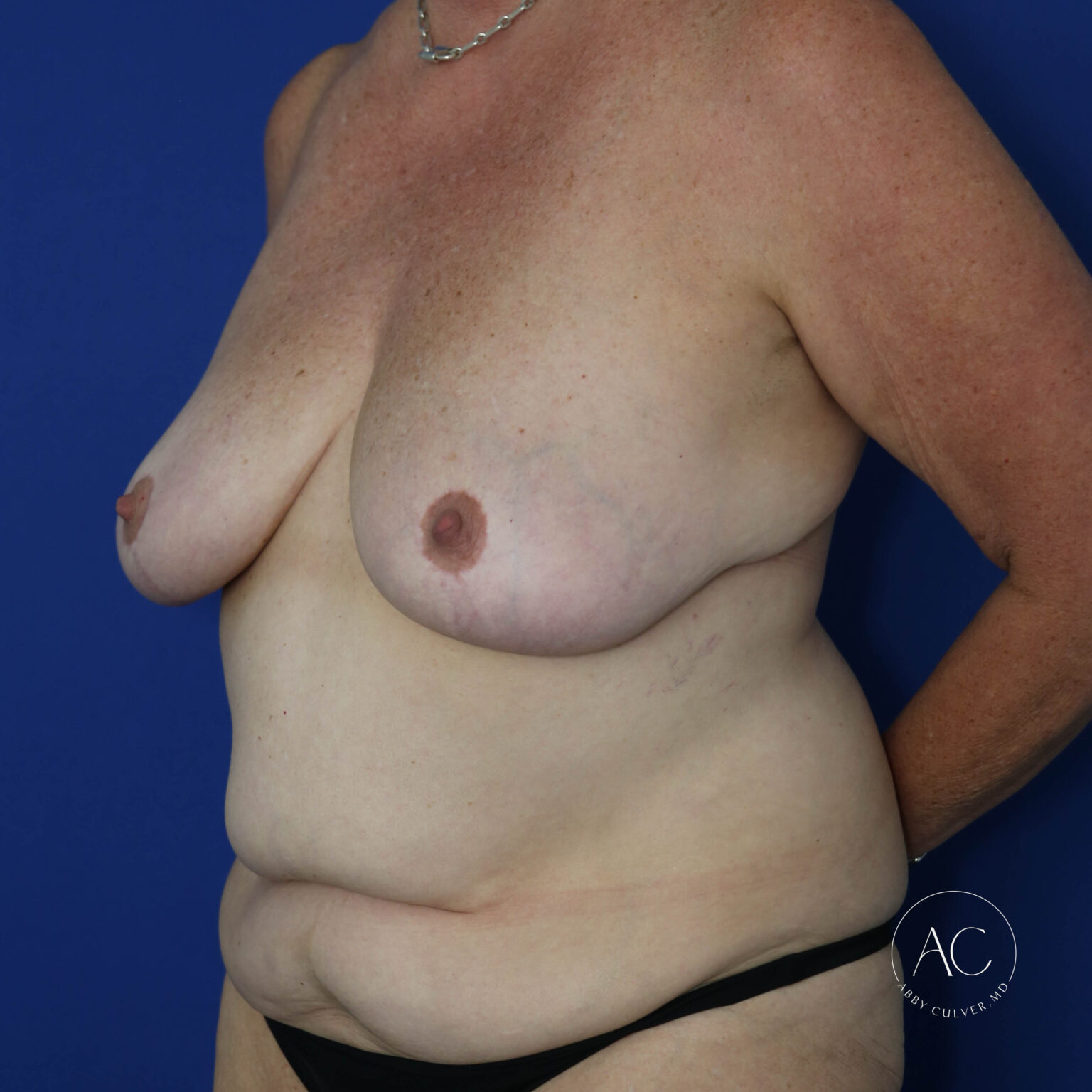
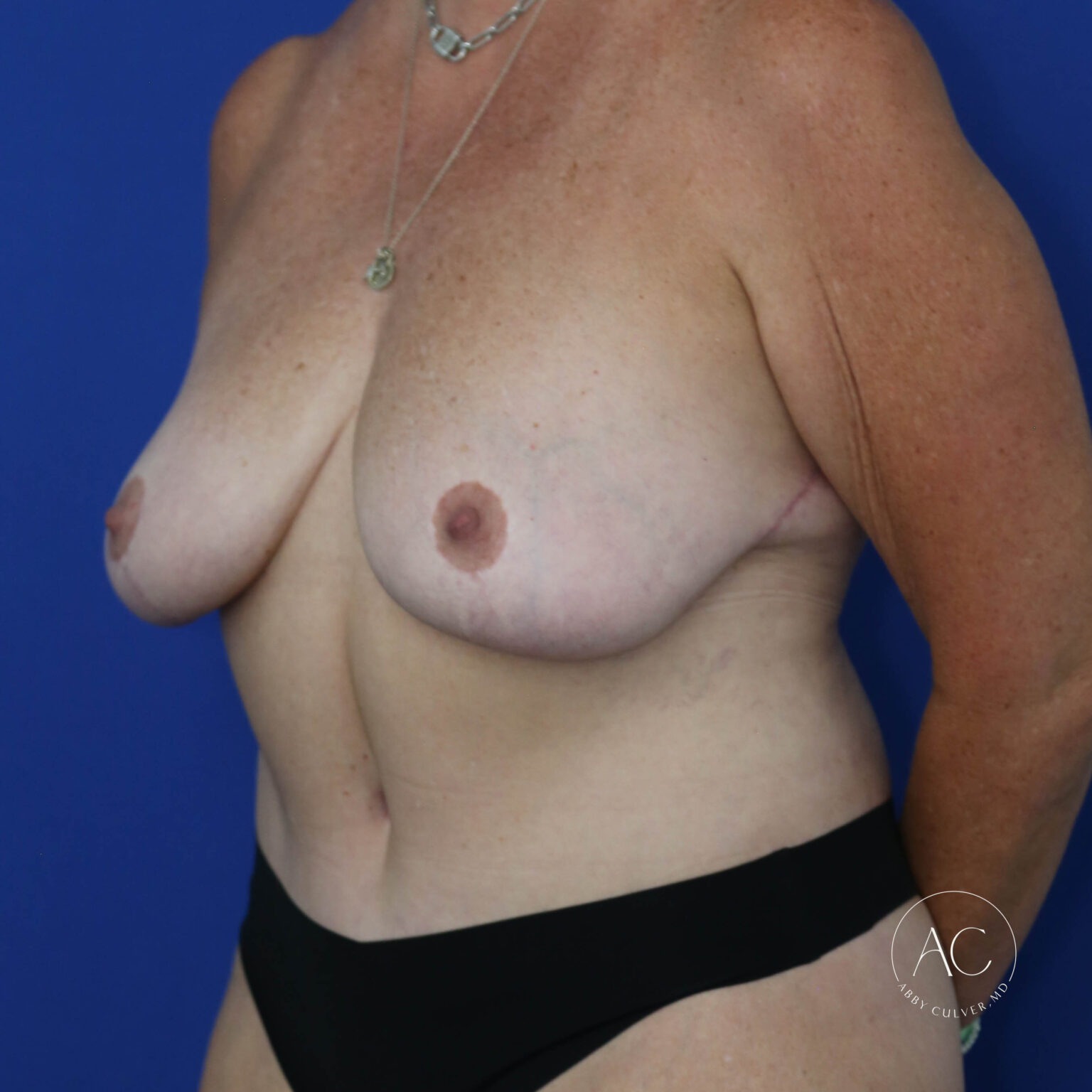
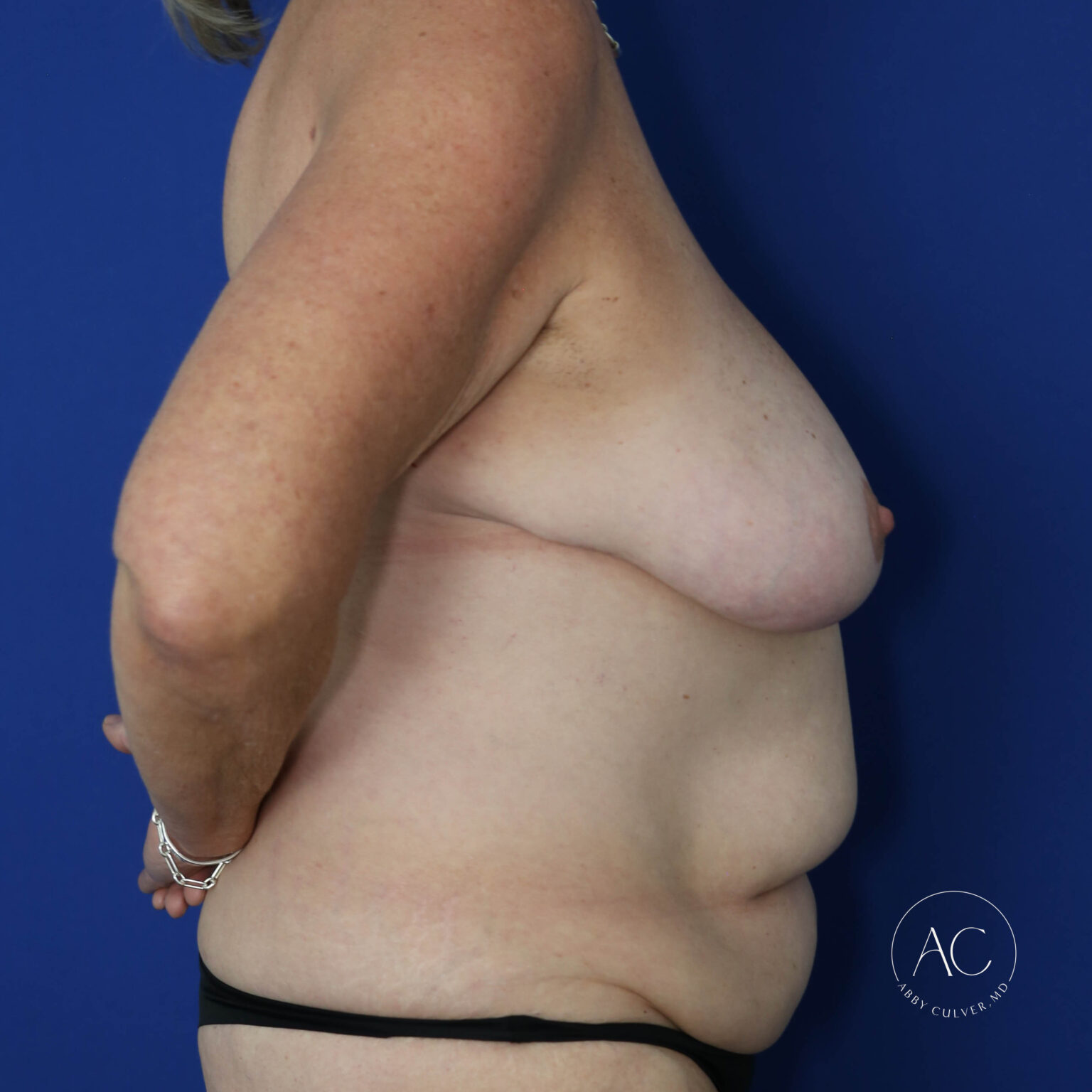
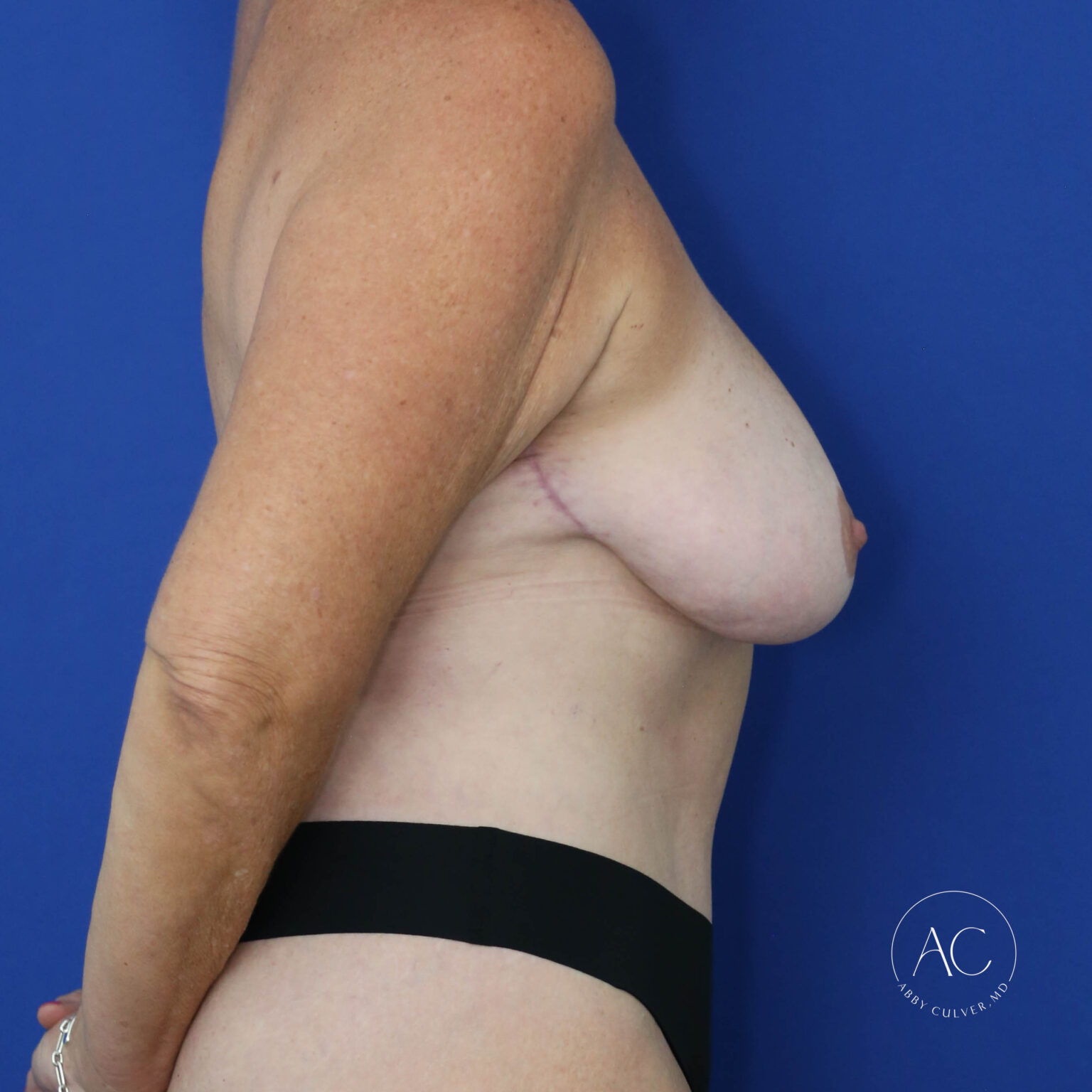
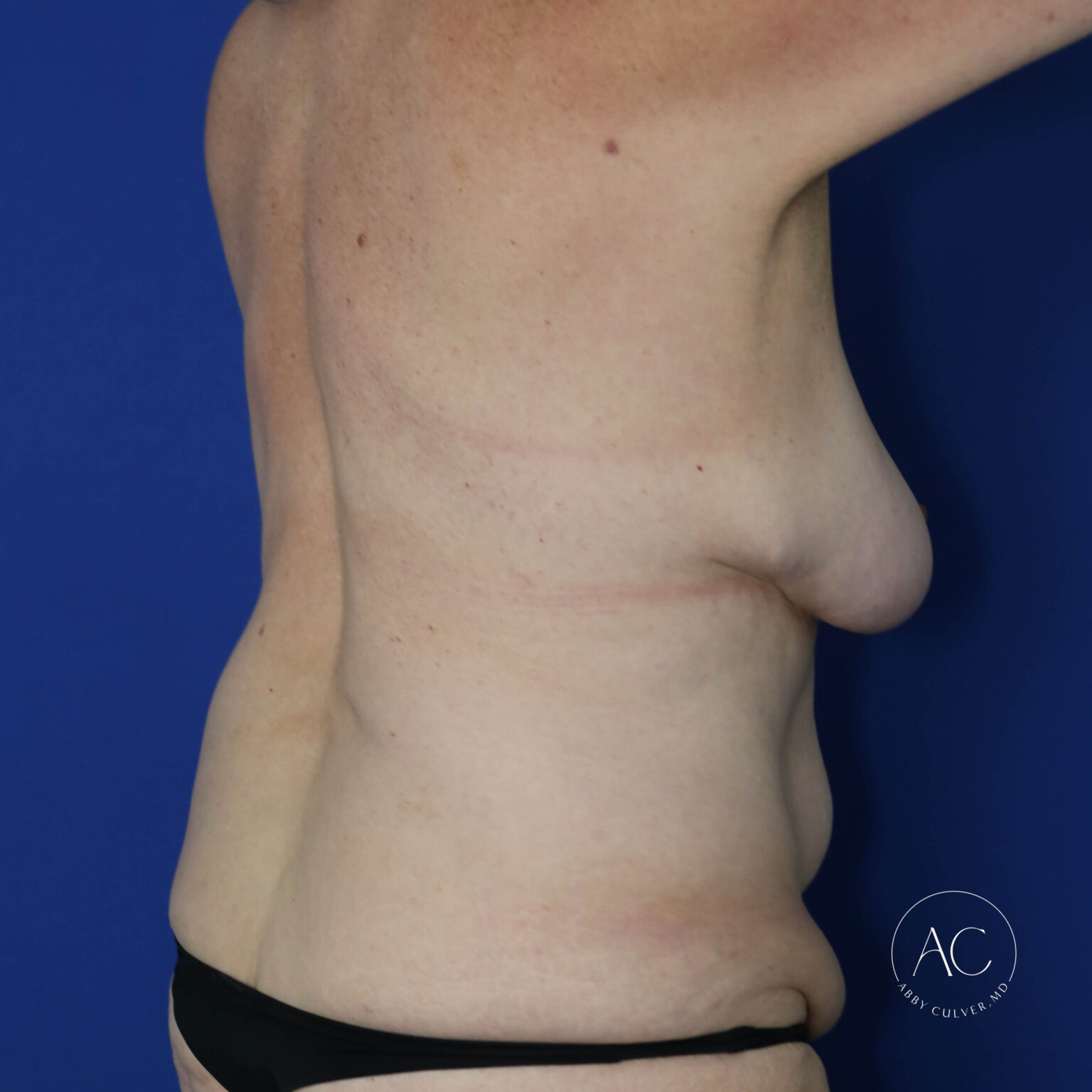
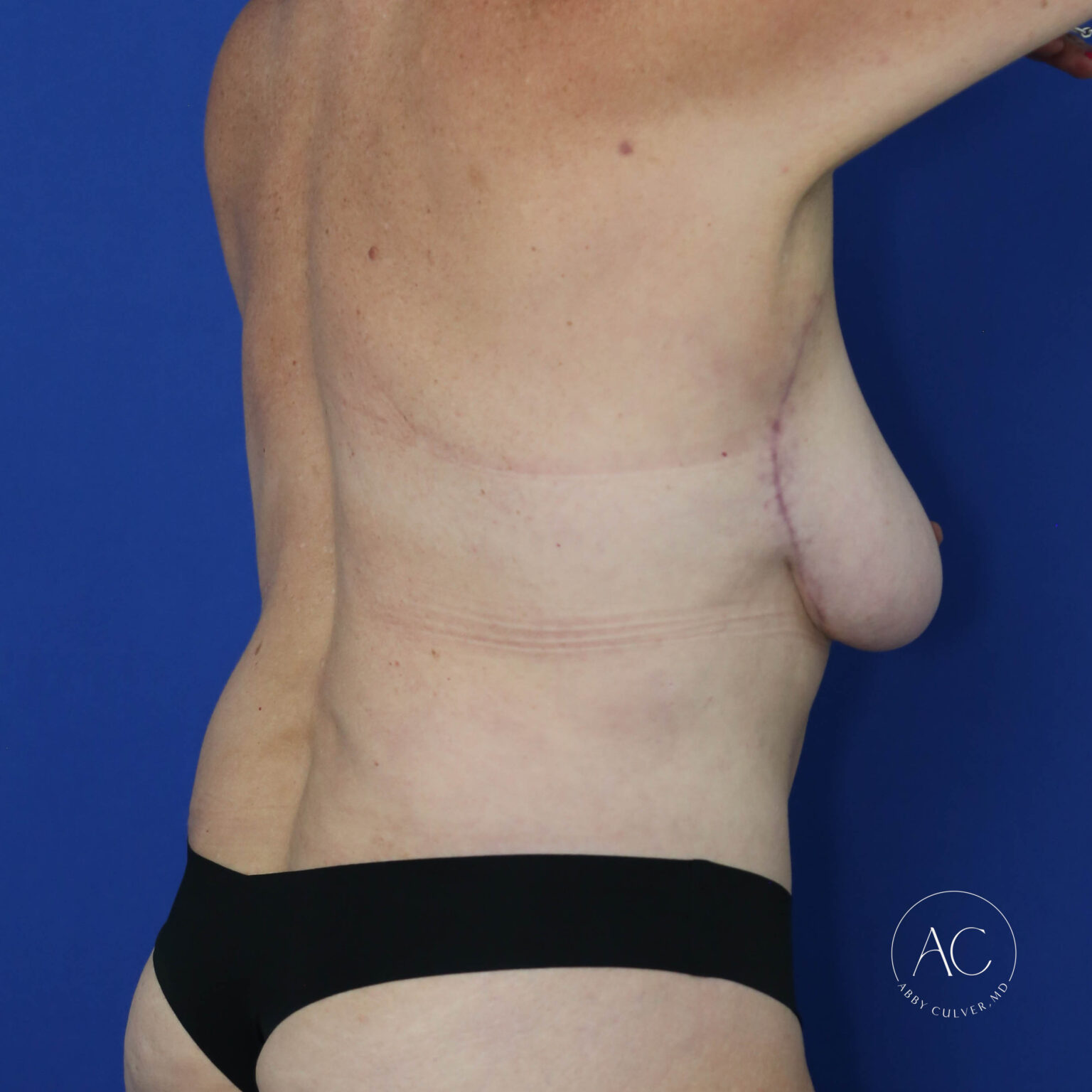
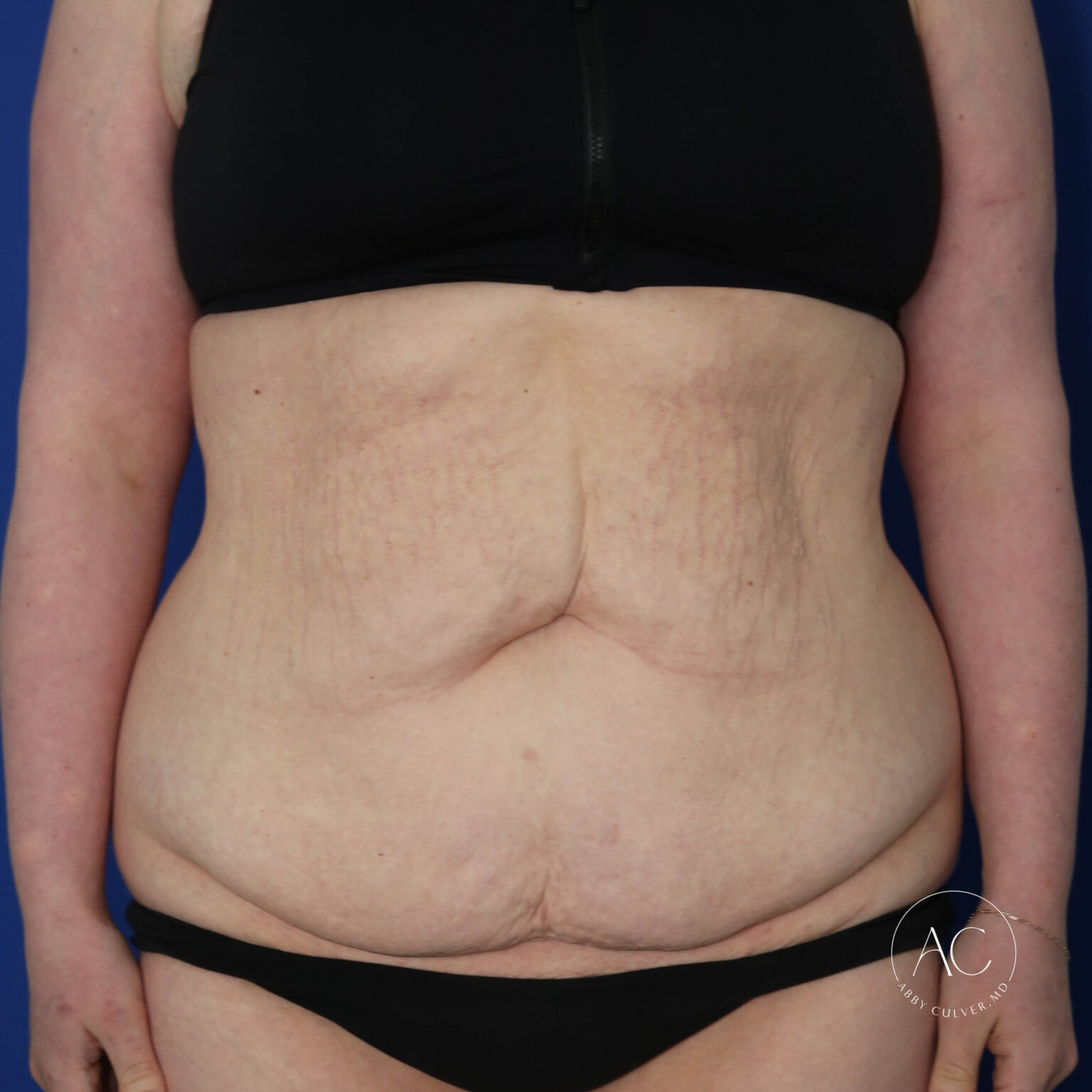
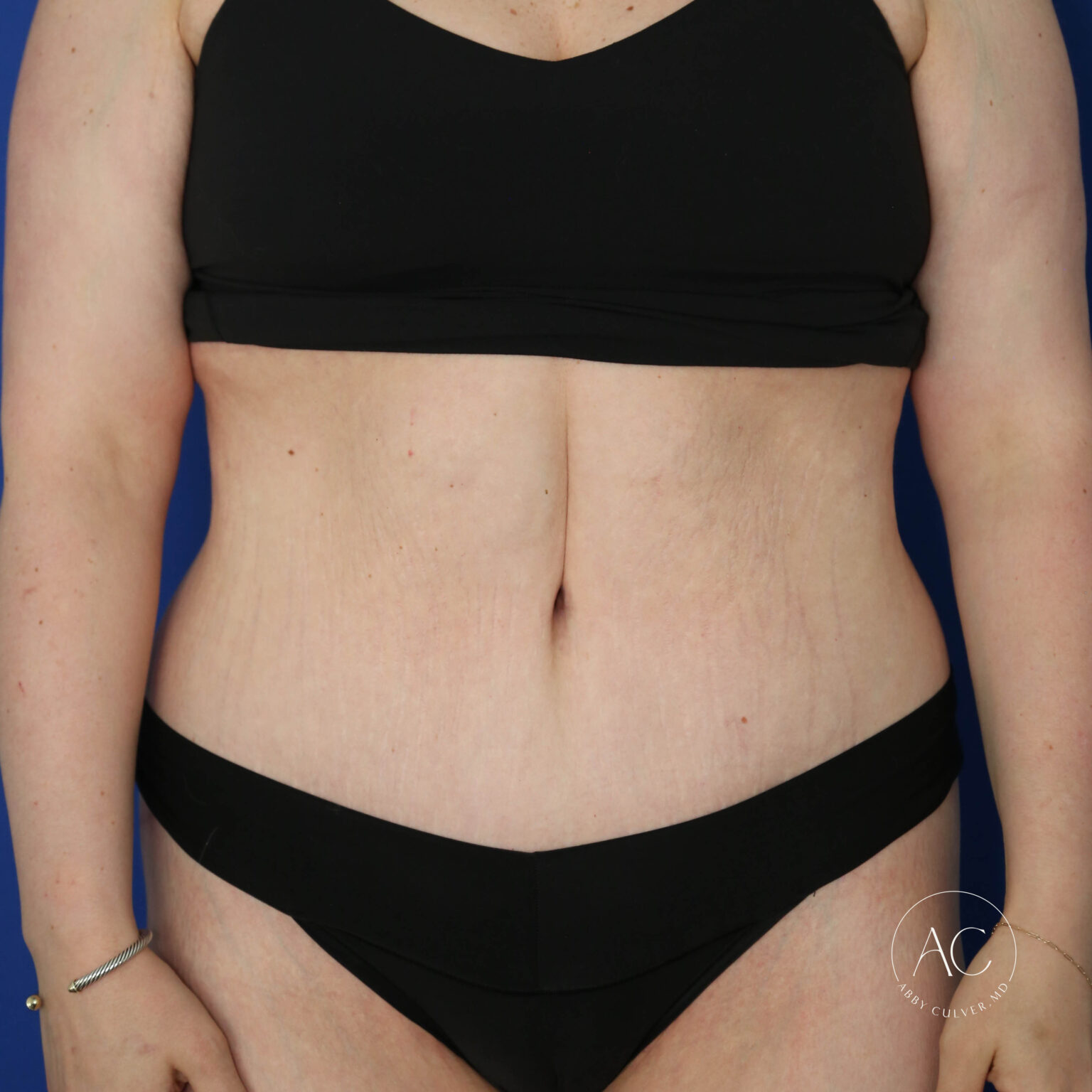
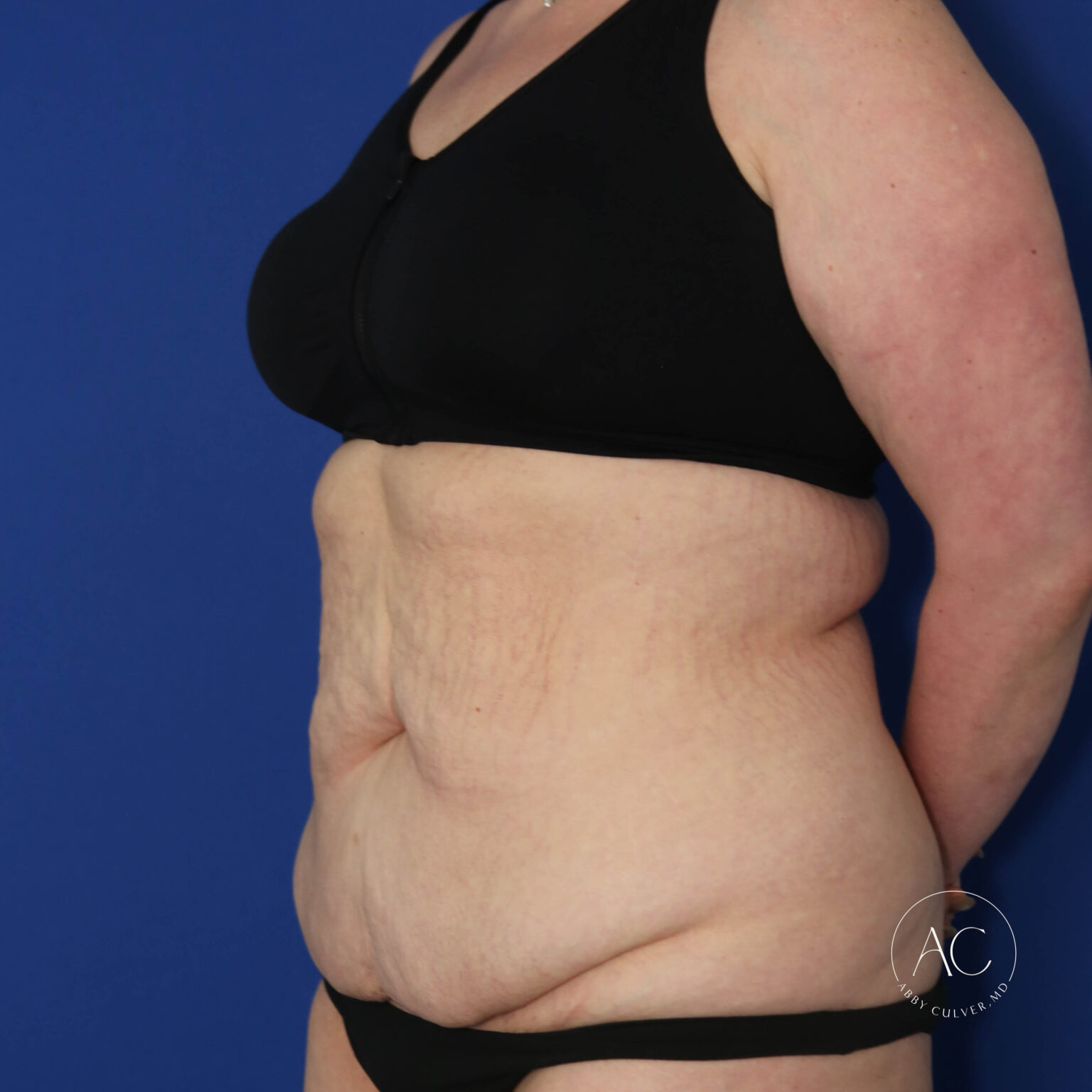
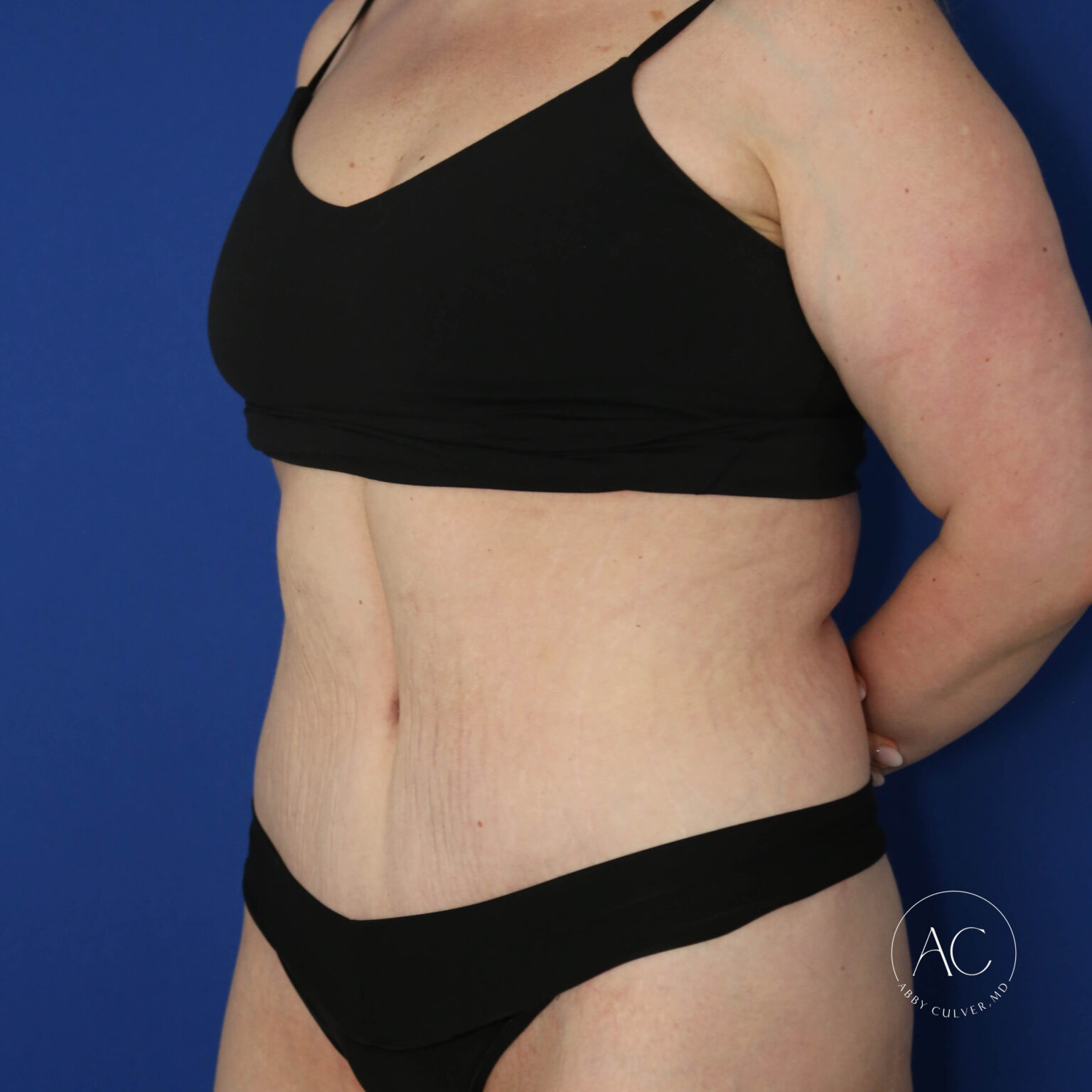
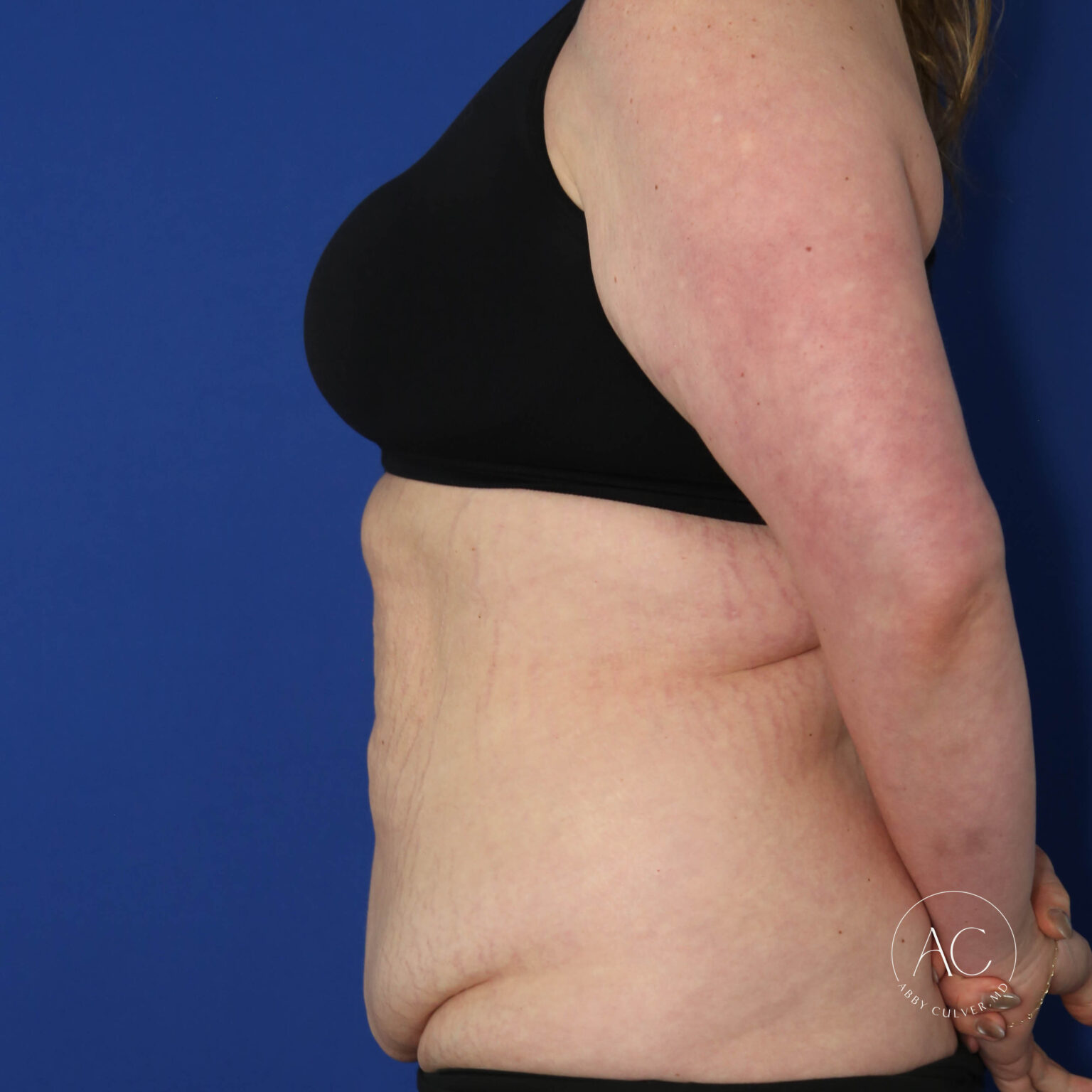
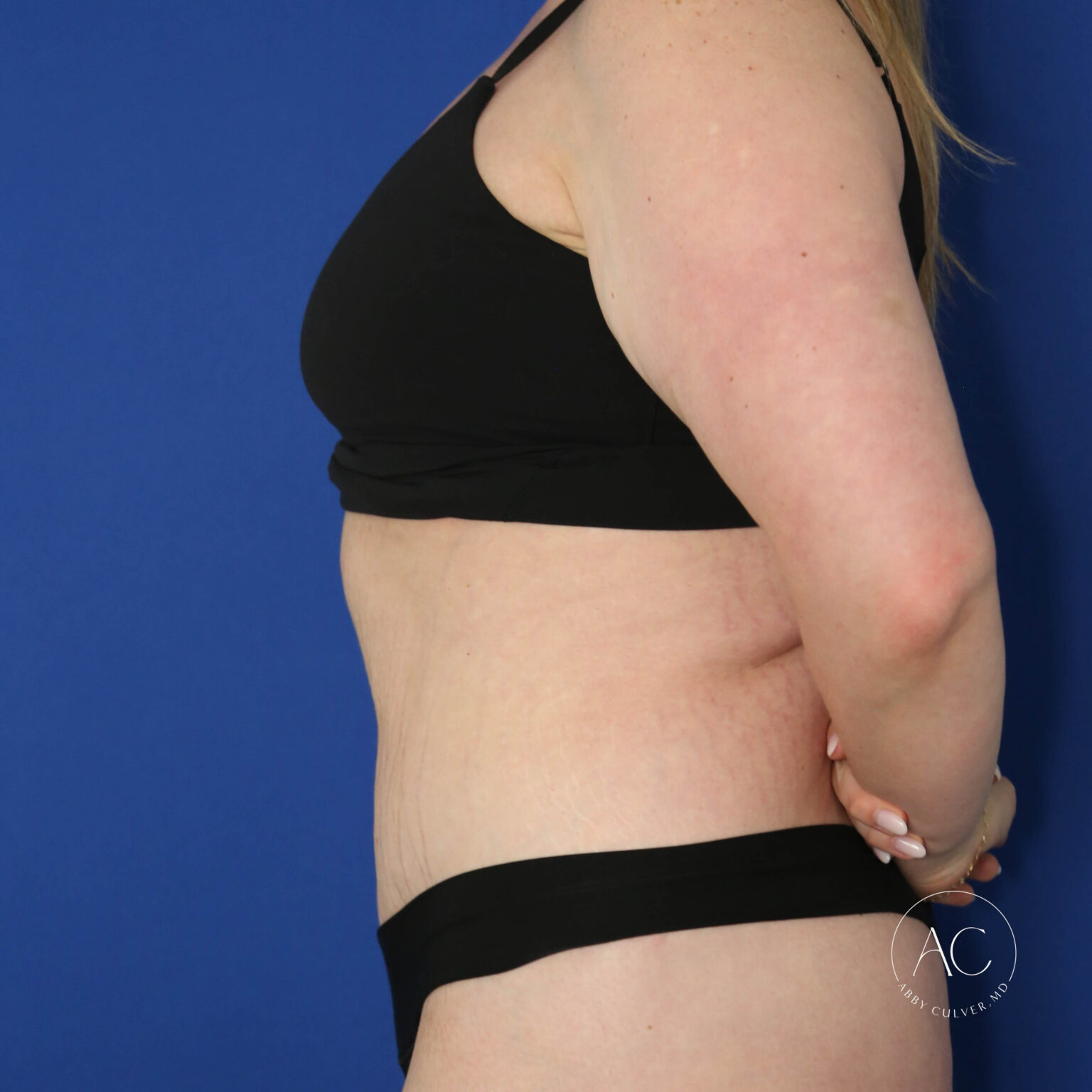
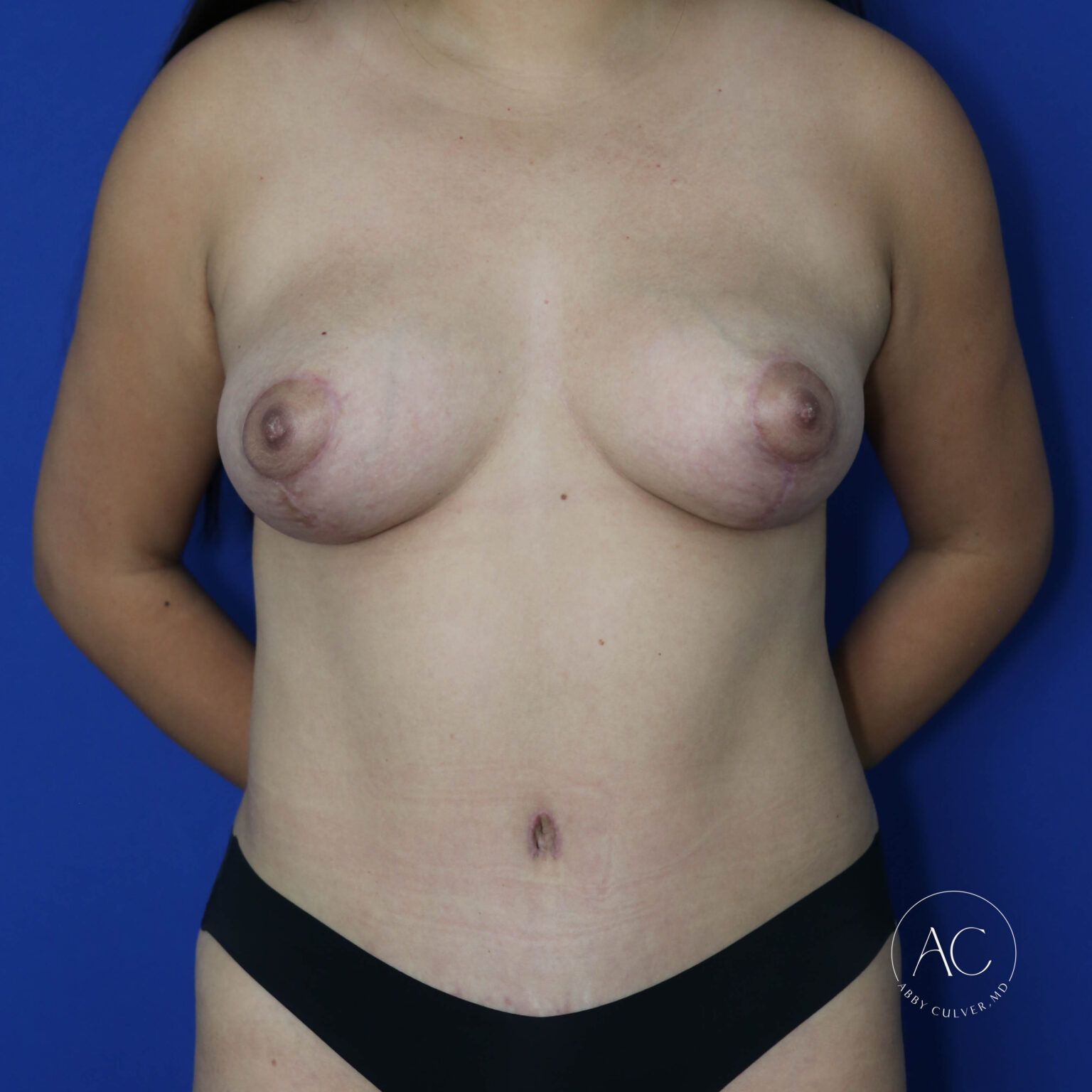
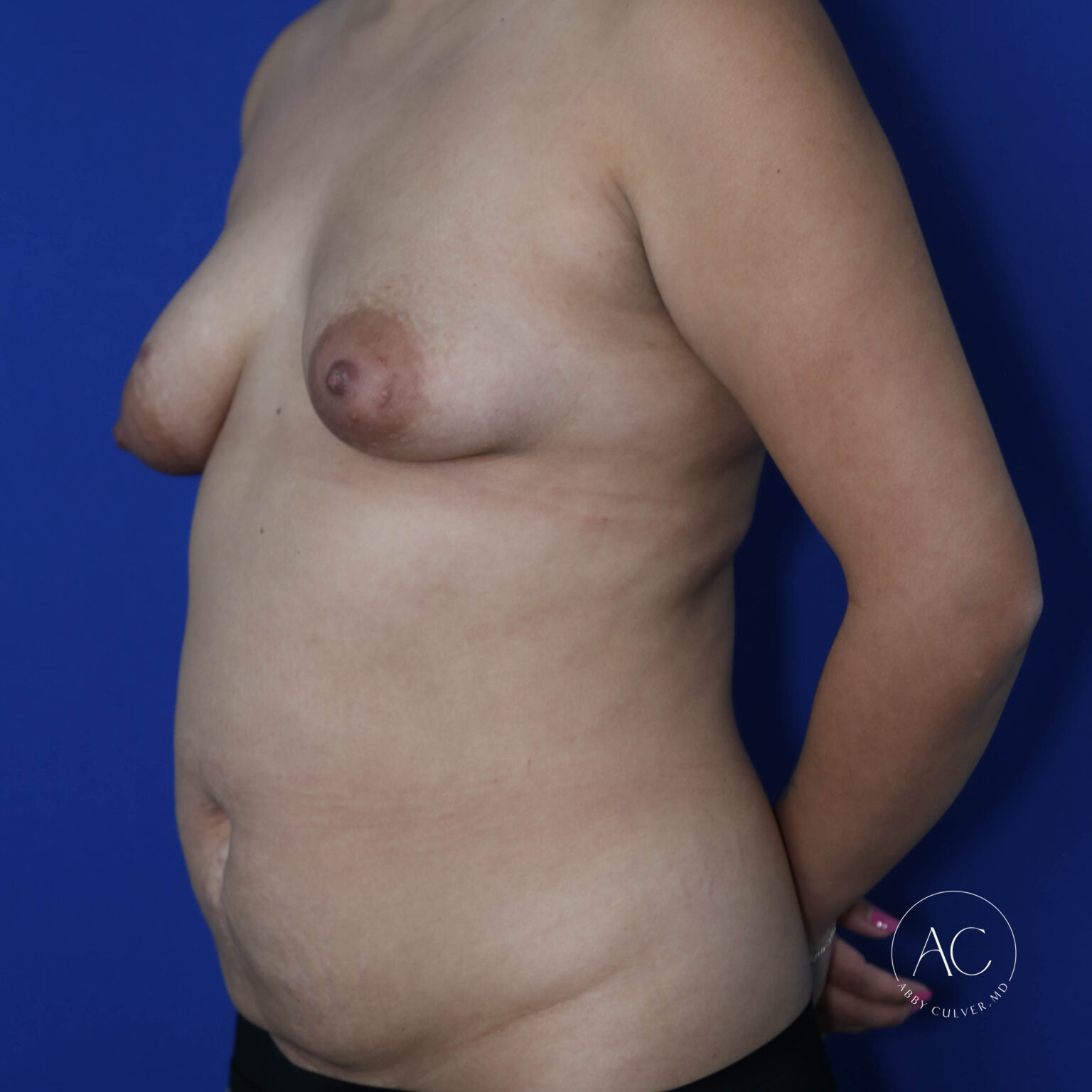
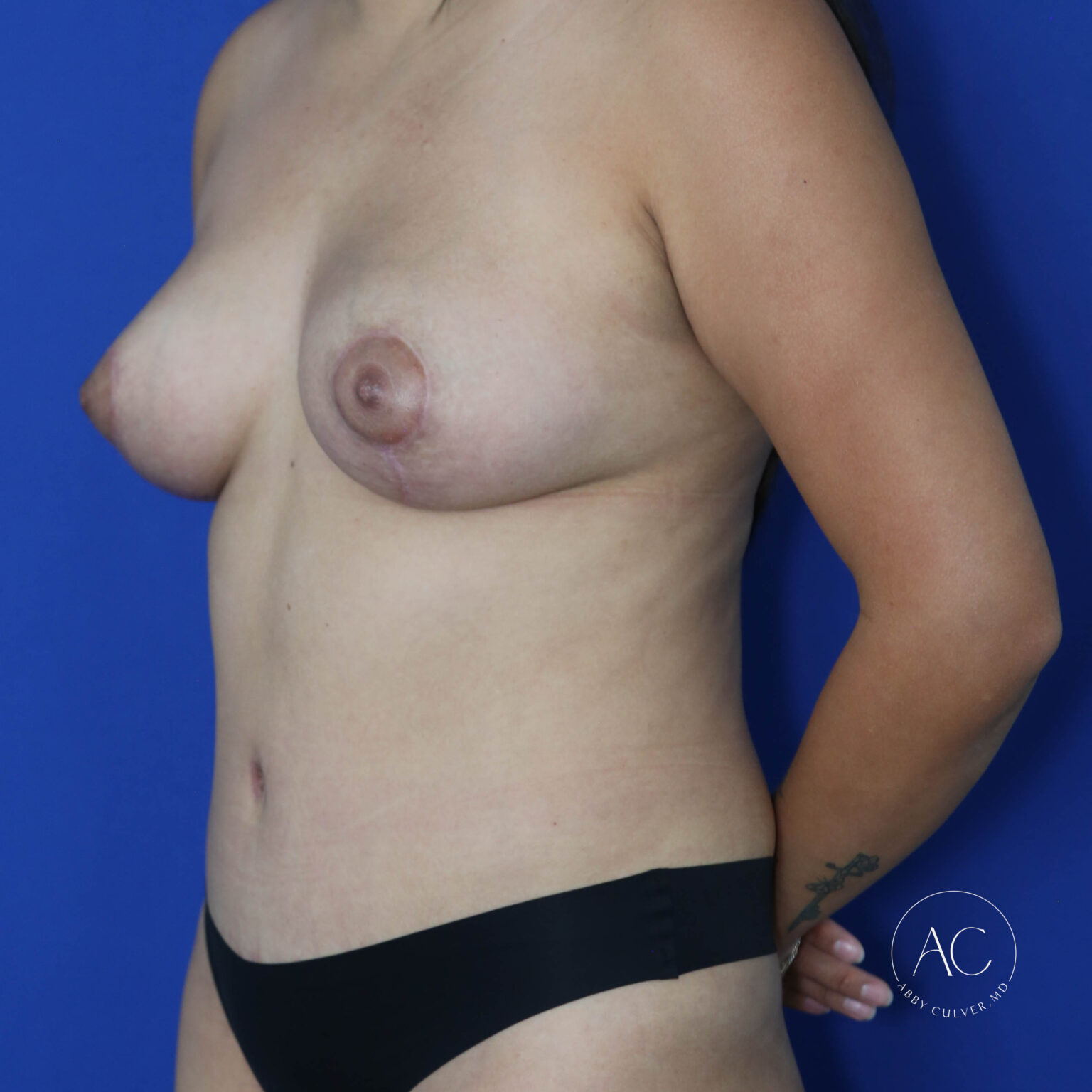
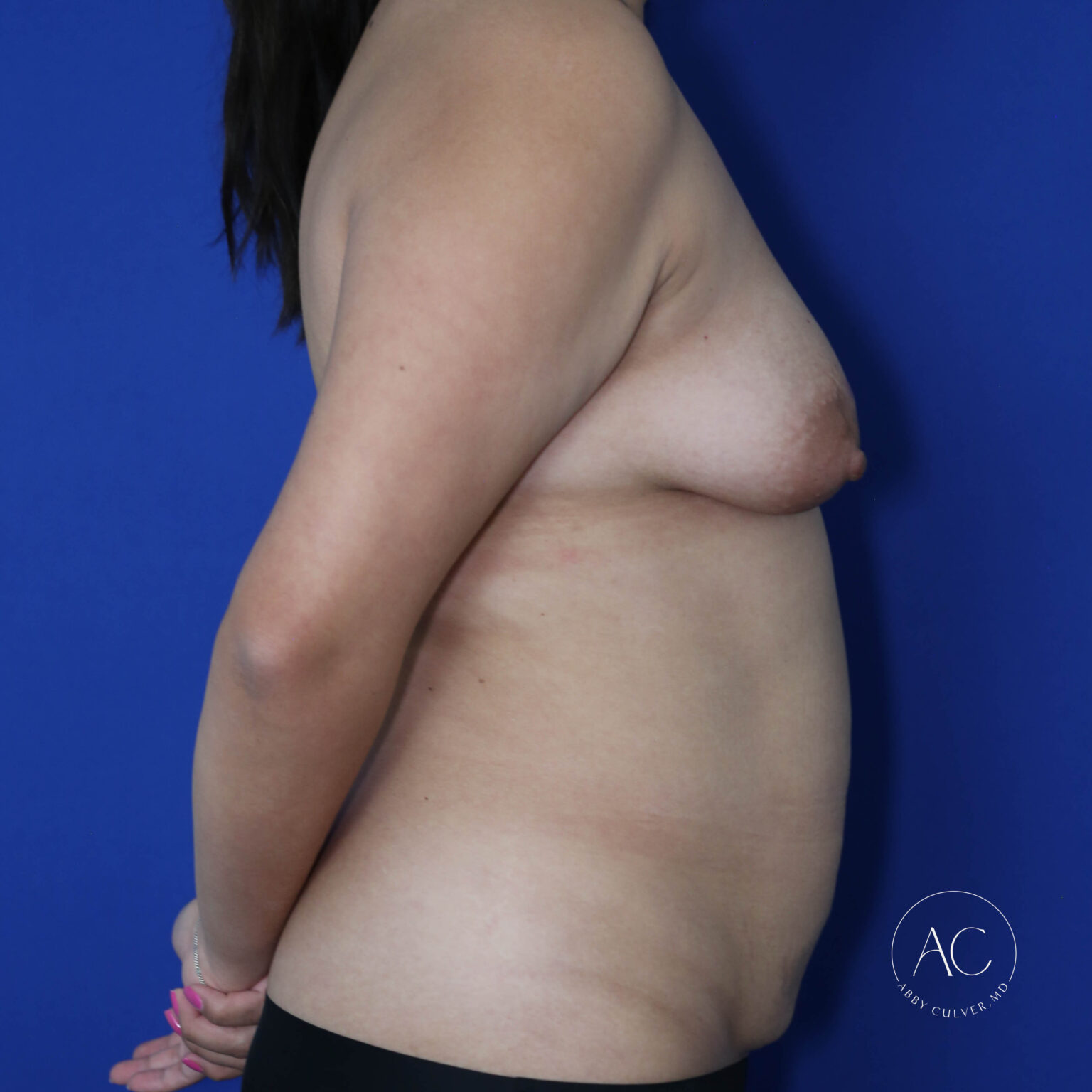
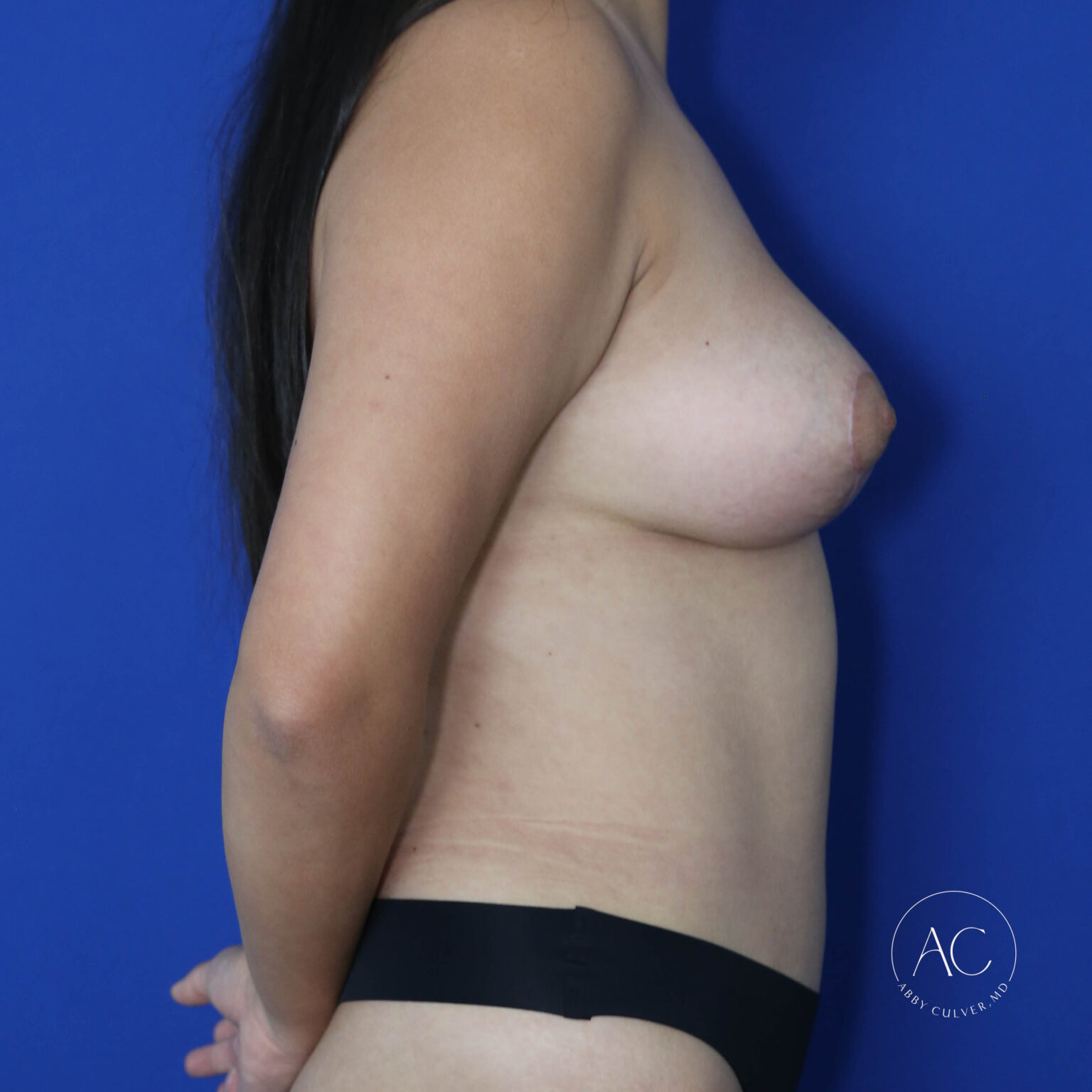
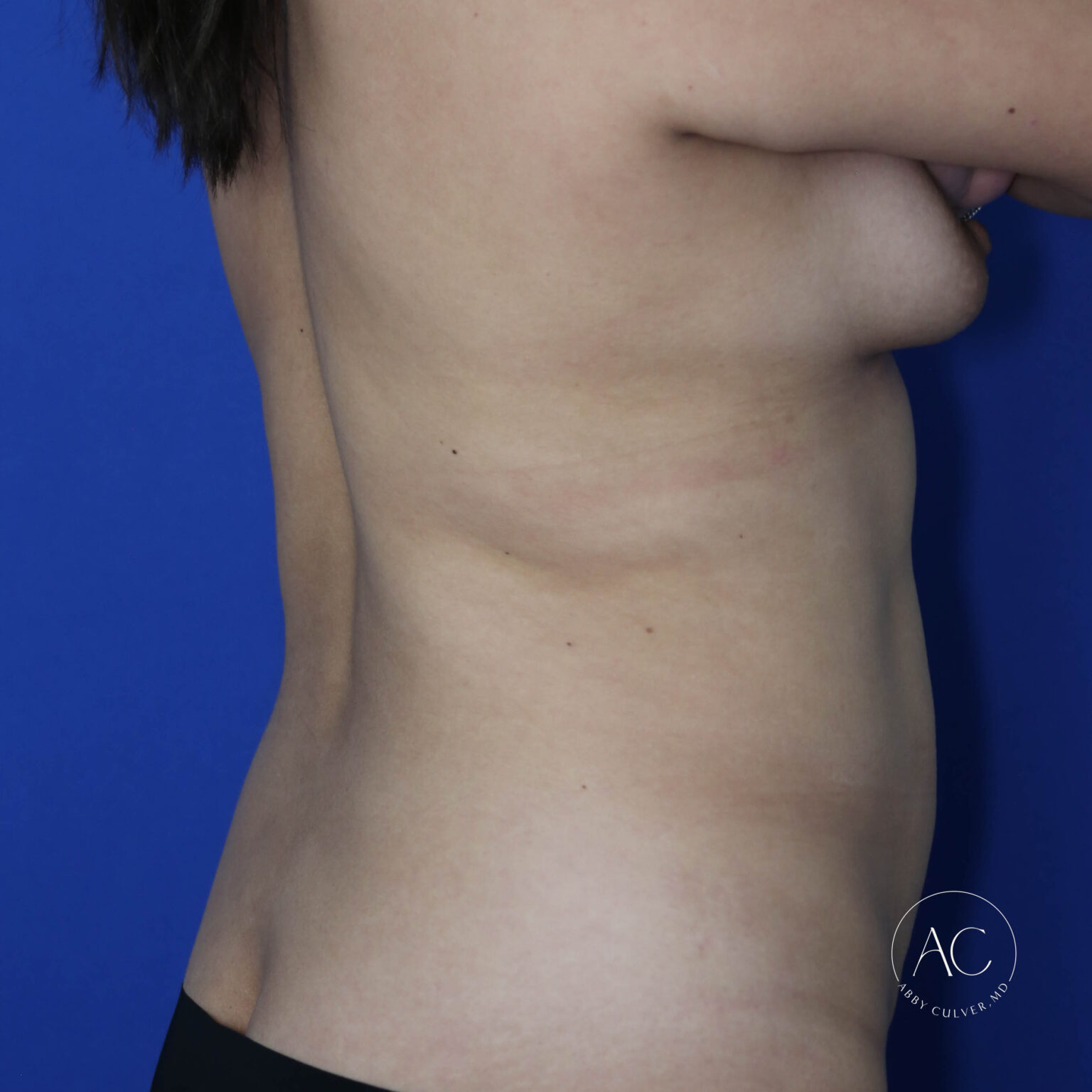
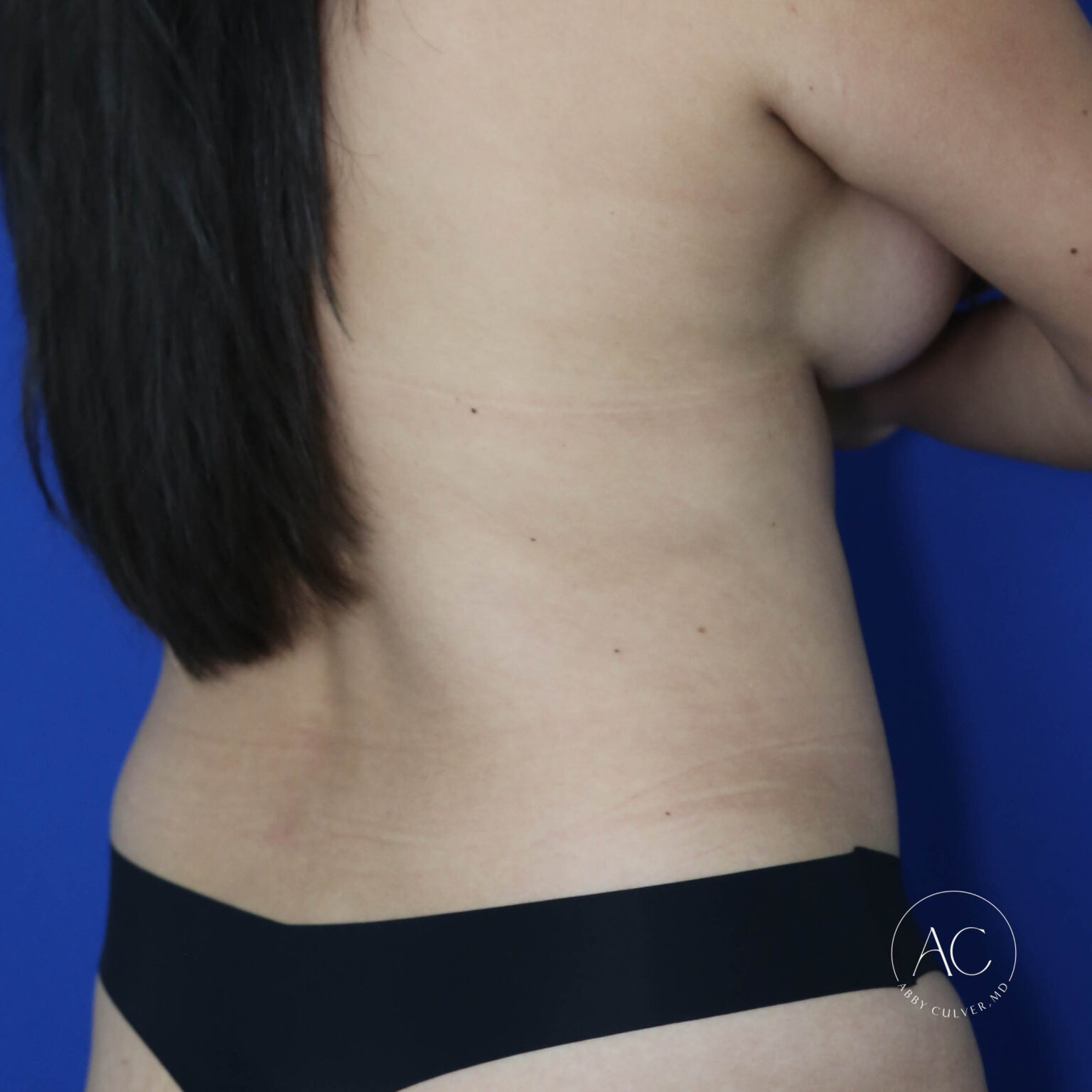
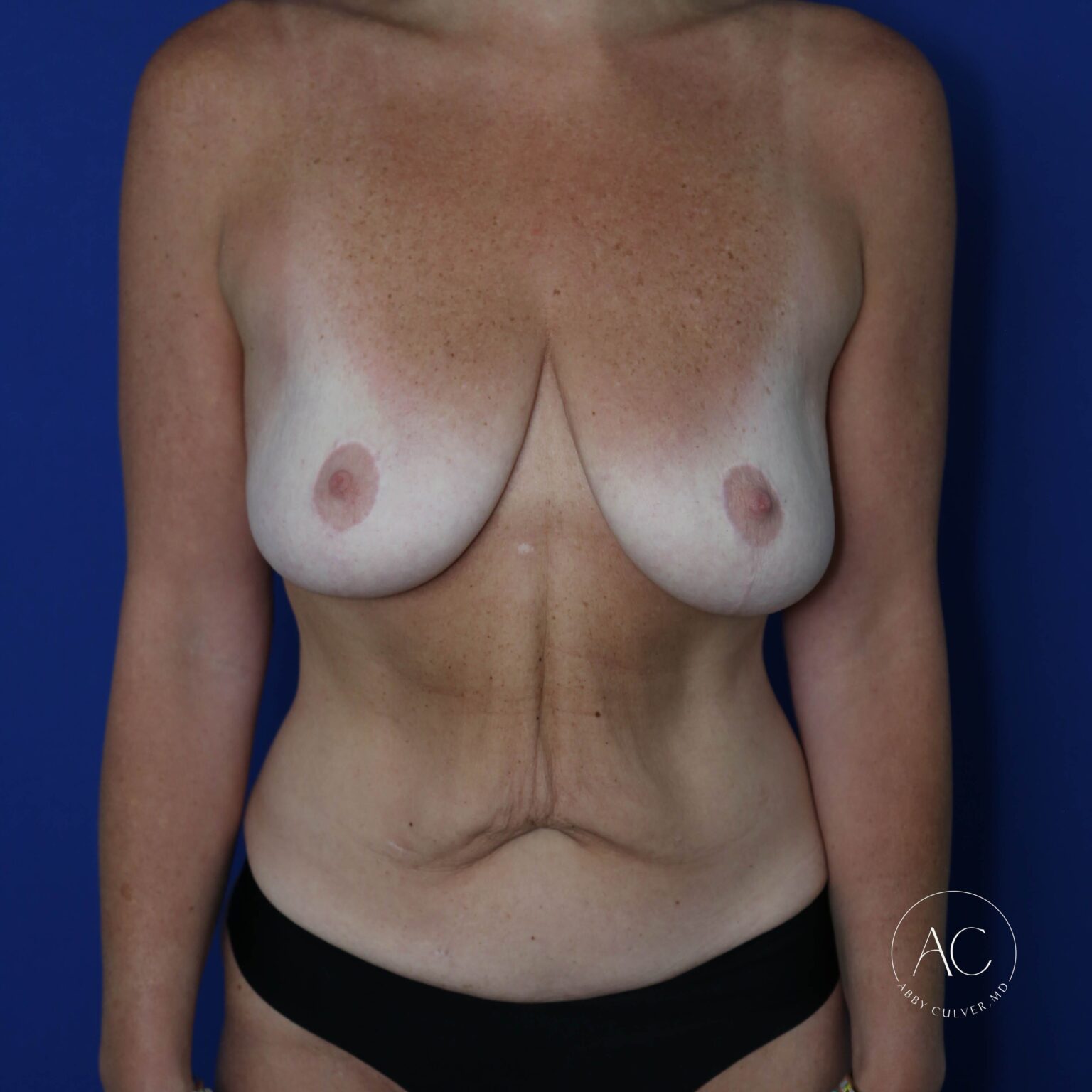
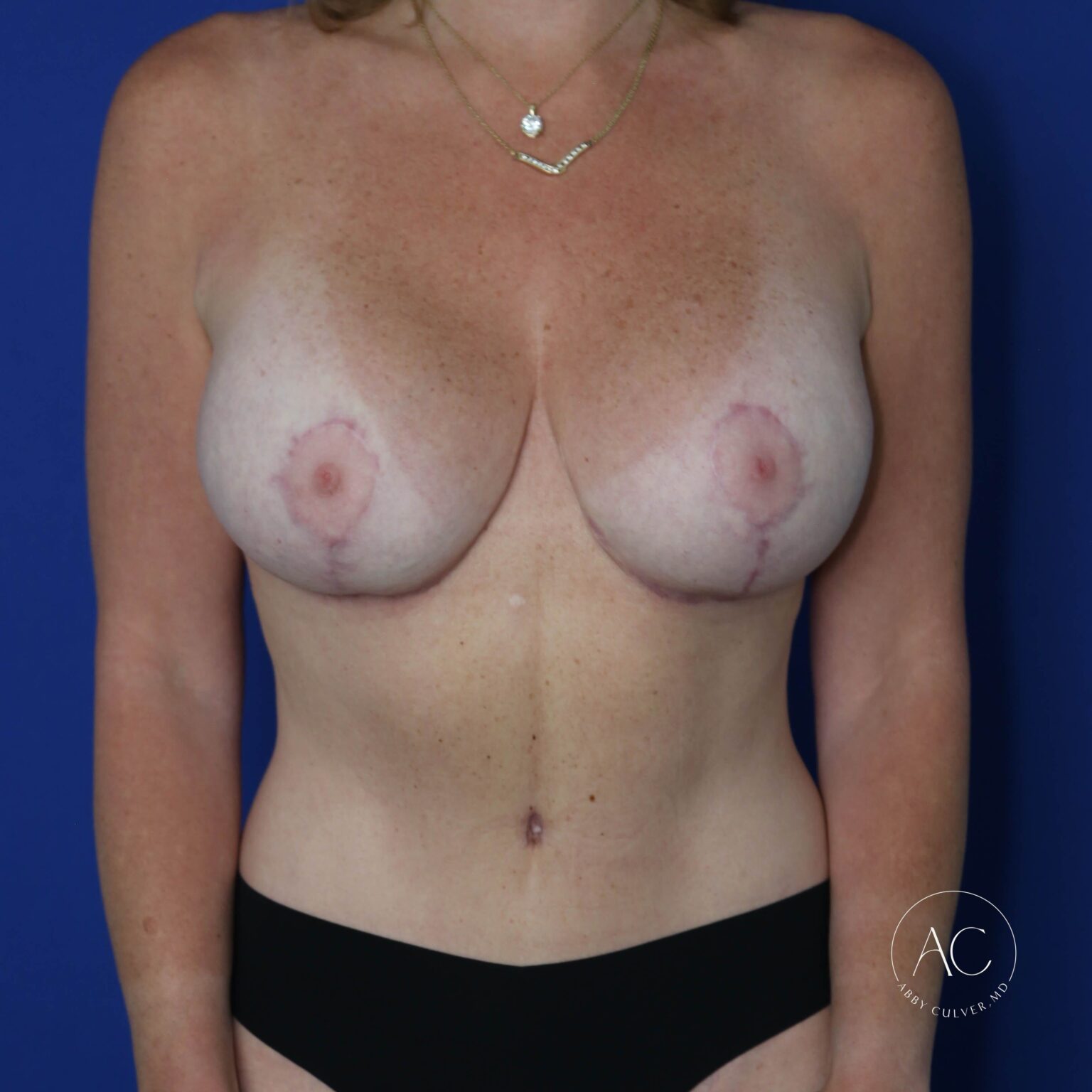
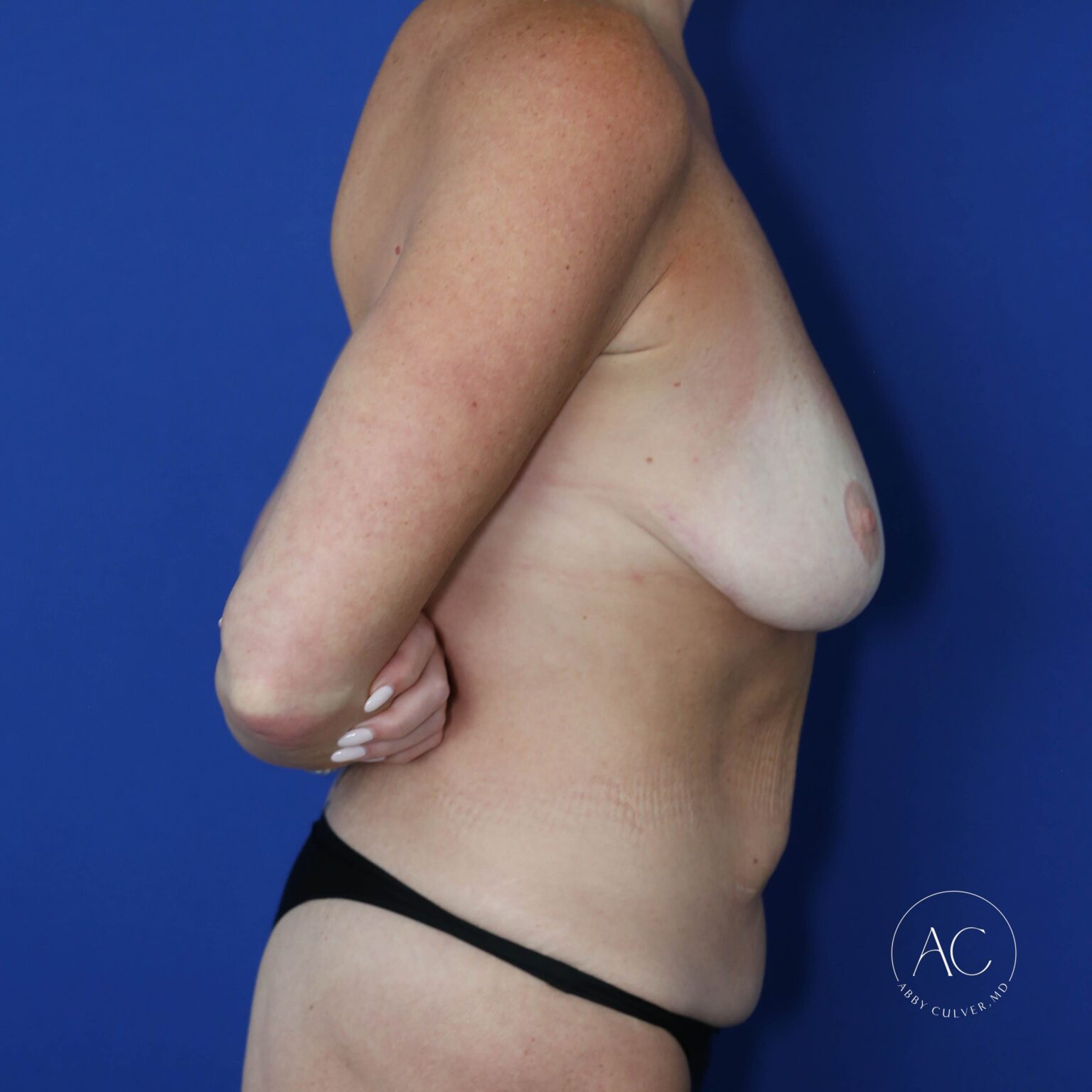
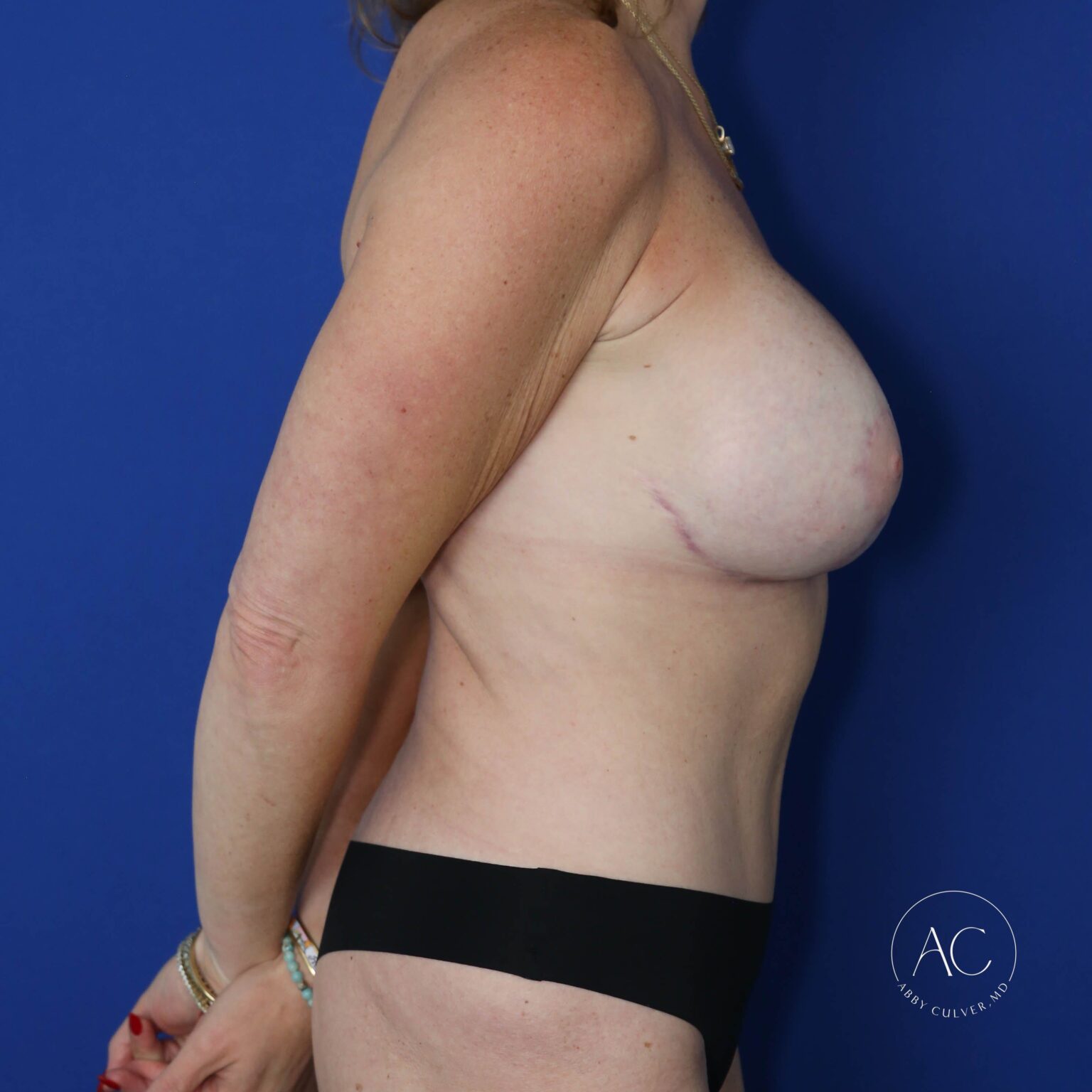
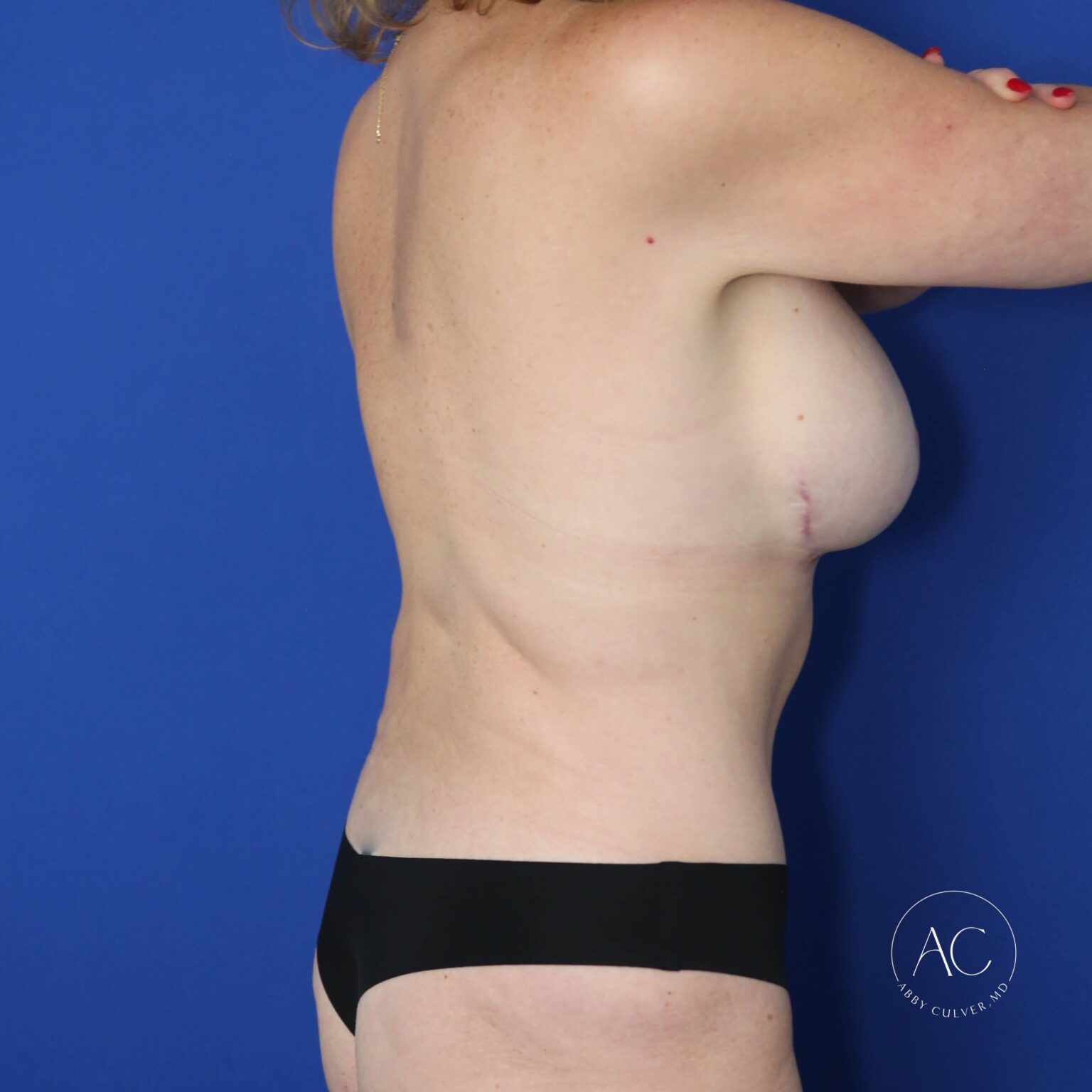
Our tummy tuck before and after photos show tummy tuck results from abdominoplasty by Dr. Culver, several combined with breast surgery as part of a mommy makeover.
Read them with the incision in mind: swelling hides the final contours for weeks, and tummy tuck scars stay red before fading over twelve months.
Three stages, from first exam to final follow-up.
Your consultation covers medical history, prior abdominal scars, recovery goals, and what abdominoplasty can and cannot change. Dr. Culver writes the surgical plan in that room. Patients travel from Plano, Highland Park, Fort Worth, and across Dallas, Texas.
Surgery runs two to three hours under general anesthesia. Dr. Culver places the incision low, removes the excess fat and skin, plicates the abdominal wall, and closes with buried sutures. The progressive tension suture technique reduces the dead space where fluid accumulation causes a seroma. Many patients need no surgical drains at all.
Tummy tuck recovery starts with walking on day one. Expect a compression garment for several weeks, plus bruising, swelling, and real discomfort early on. Desk work returns around two weeks, strenuous activity at six to eight. Final contours settle over three to six months.

Dr. Abby Culver practices aesthetic plastic surgery of the face, breast, and body from her MacArthur Avenue office. Abdominal contouring is core to that work. Her approach to patient-centered care is plain: explain the trade-offs, plan for one body, and aim for natural-looking results. Patients name body image and self-confidence, not measurements.
As a woman, Dr. Culver is drawn to surgery of the breast and body that restores her patients’ bodies and confidence.
Bring your questions and your history. She will say plainly whether surgery serves you.


Tummy tuck cost in Dallas depends on technique, length of surgery, anesthesia, and facility fees. Mini tummy tucks range from $8,000 to $10,000, and abdominoplasty with liposuction reaches $15,000 to $21,000. Our guide to how much a tummy tuck costs in Dallas breaks the cosmetic surgery fees down, and financing is available. A quote requires a consultation.
Stop smoking well before your date, adjust medications with Dr. Culver’s team, and arrange help at home. Patients planning a tummy tuck after pregnancy should finish breastfeeding first. Stock easy meals.
Yes. Every abdominoplasty leaves a horizontal scar, and a second small one around the navel in a full tummy tuck. Dr. Culver places it low so clothing covers it, and scar care from week three improves how it matures. Scarring depends on your healing as much as technique.
Most patients treat the abdomen alongside something else. One anesthetic, one recovery. For women that body contouring combination is usually a mommy makeover.
Breast augmentation restores volume lost to nursing. A breast lift repositions the nipple higher, and breast reduction serves patients whose breasts stayed heavy after pregnancy.
An arm lift removes loose skin from the upper arms that will not retract after weight loss. It balances the arms against a newly contoured, youthful torso.
A thigh lift excises redundant thigh skin for a smoother line. Patients pair it with body lift or Brazilian butt lift planning.
Labiaplasty and eyelid surgery add little operating time and fold into a single session. Dr. Culver raises either one only if you do.
One visit answers most of it. Dr. Culver recommends the combination your anatomy supports.