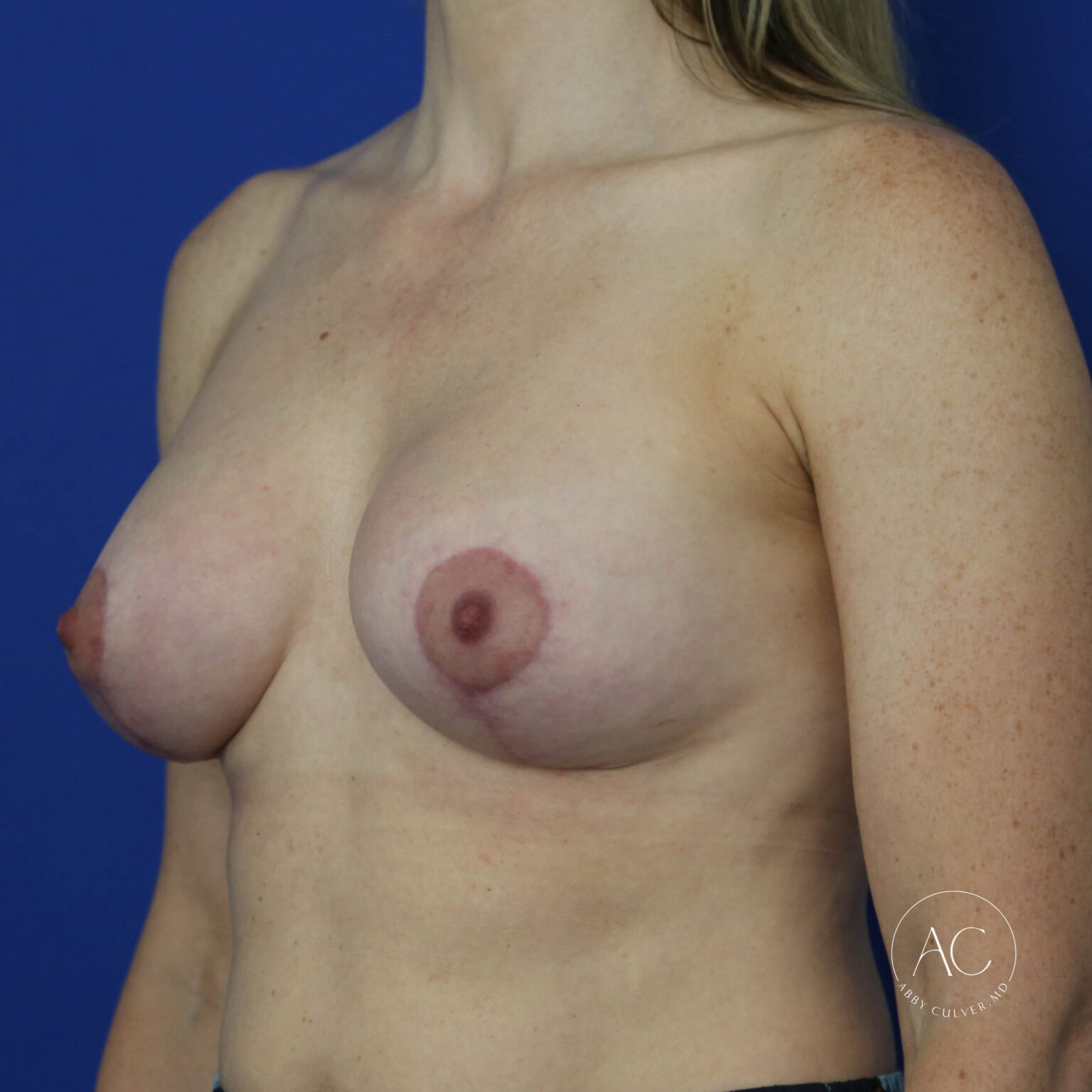
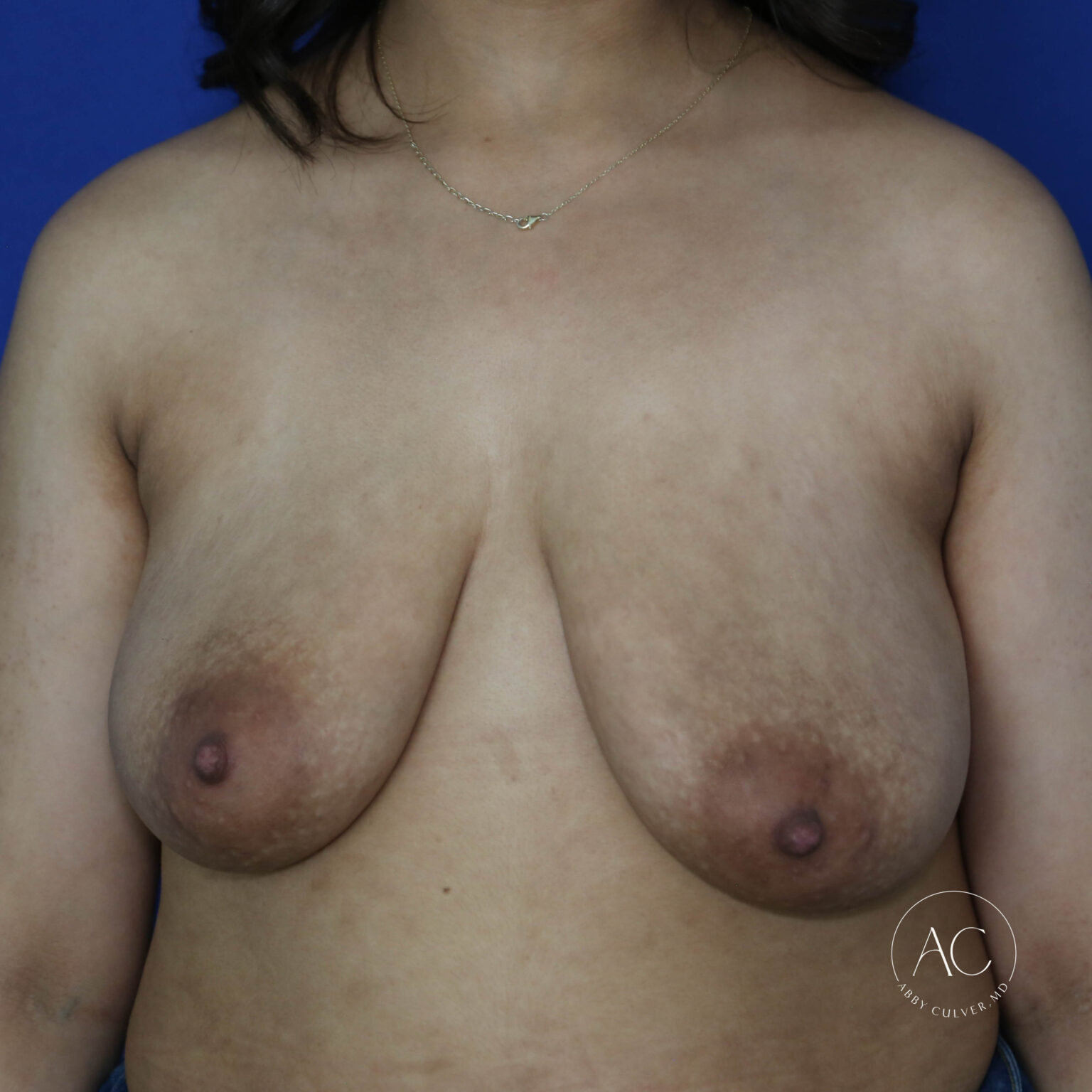
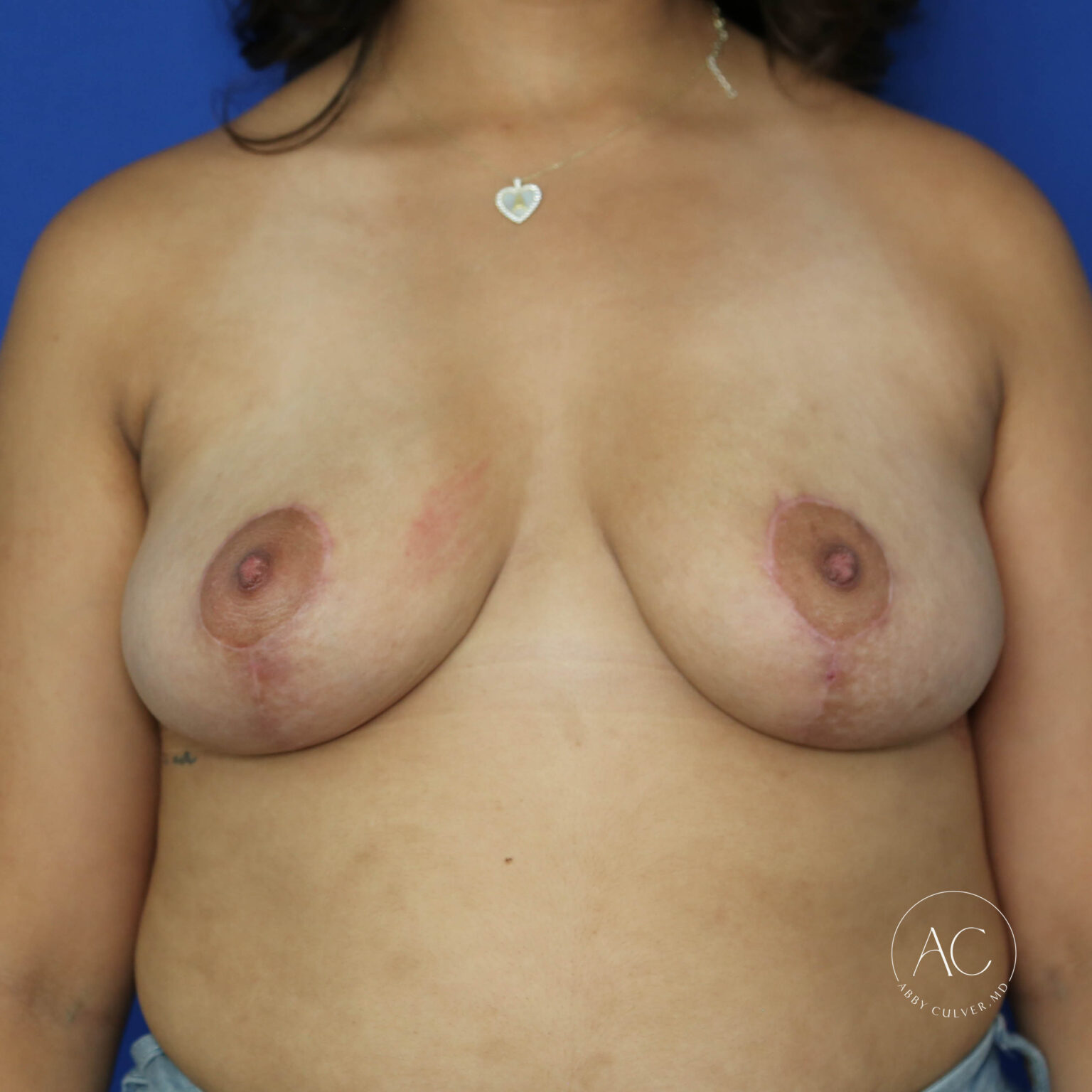
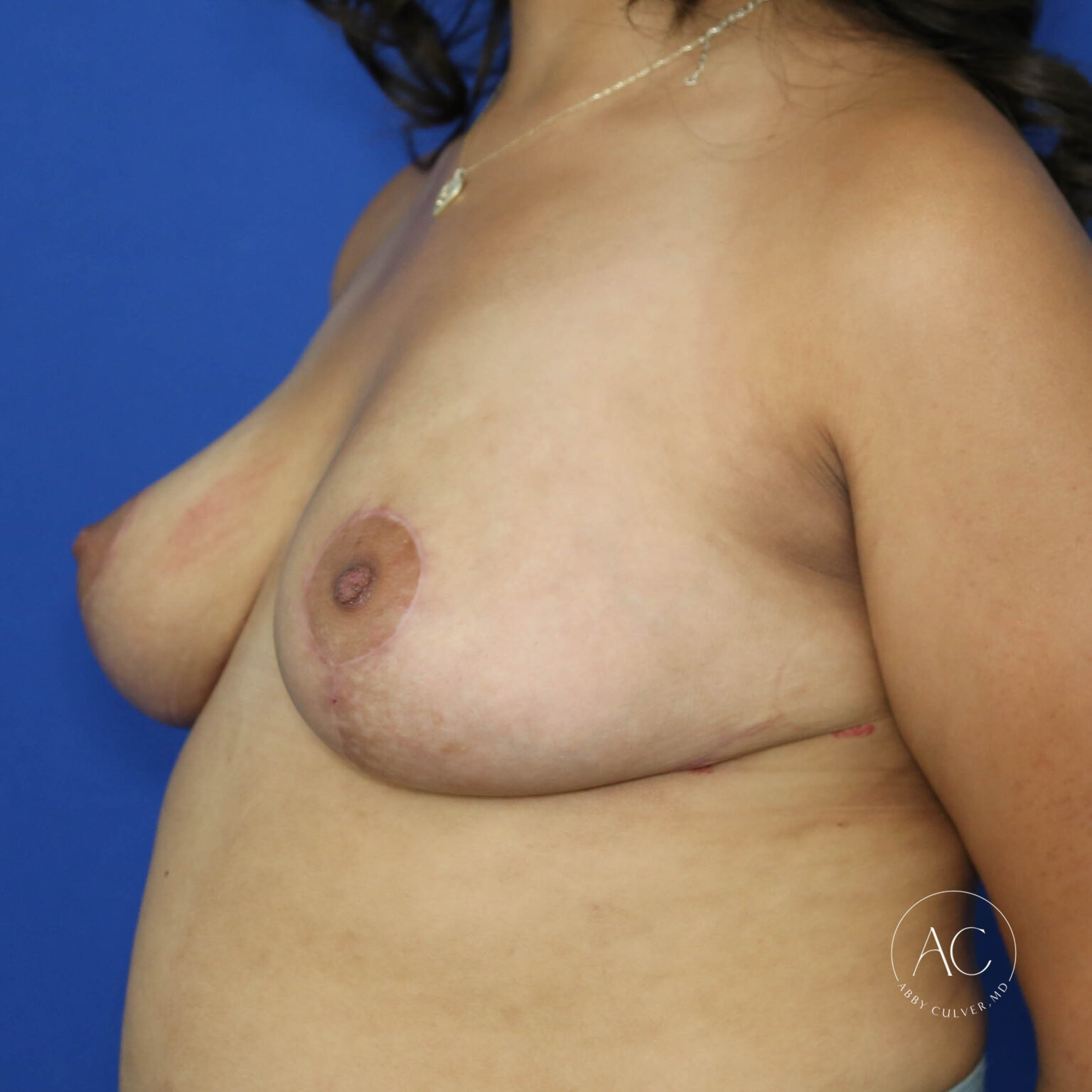
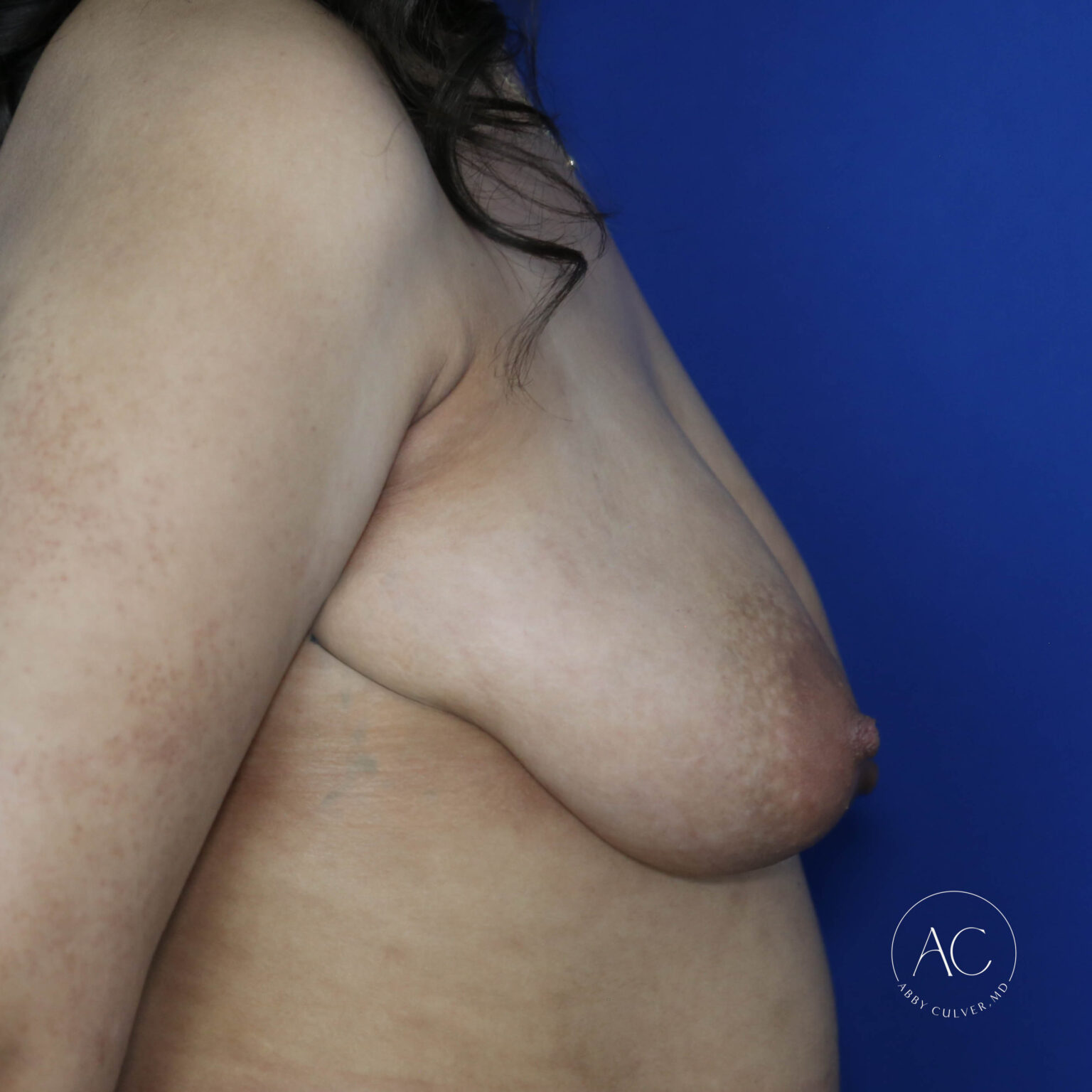
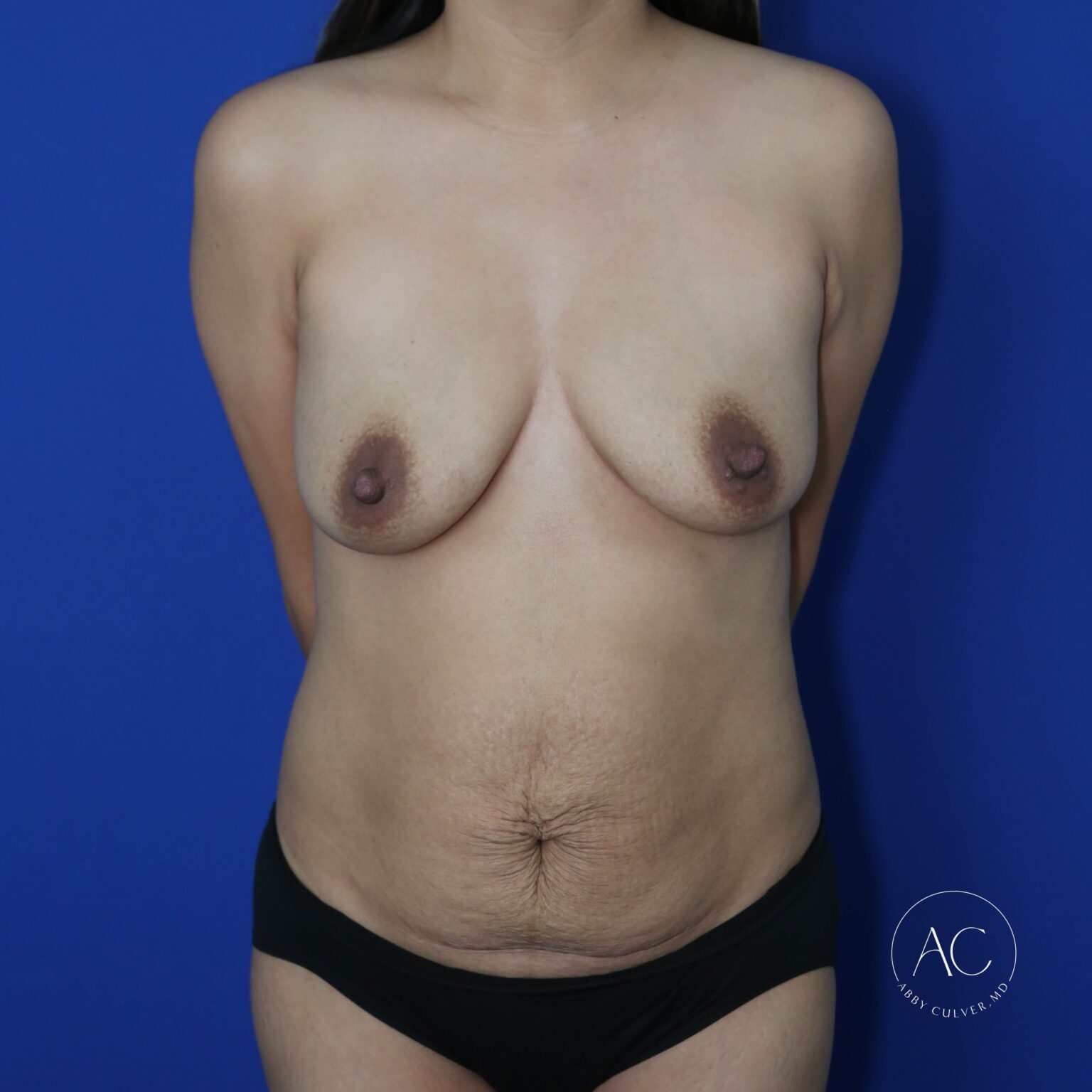
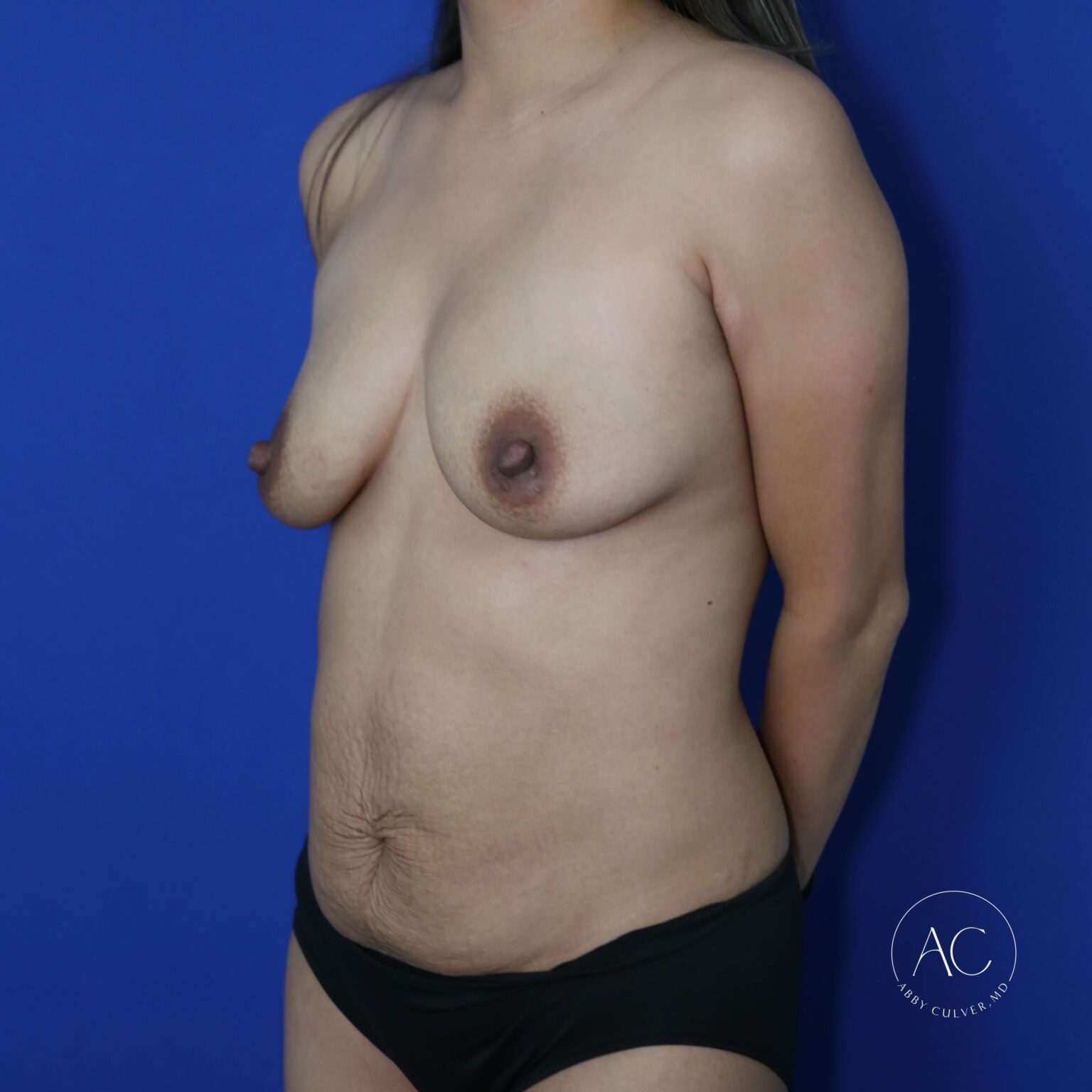
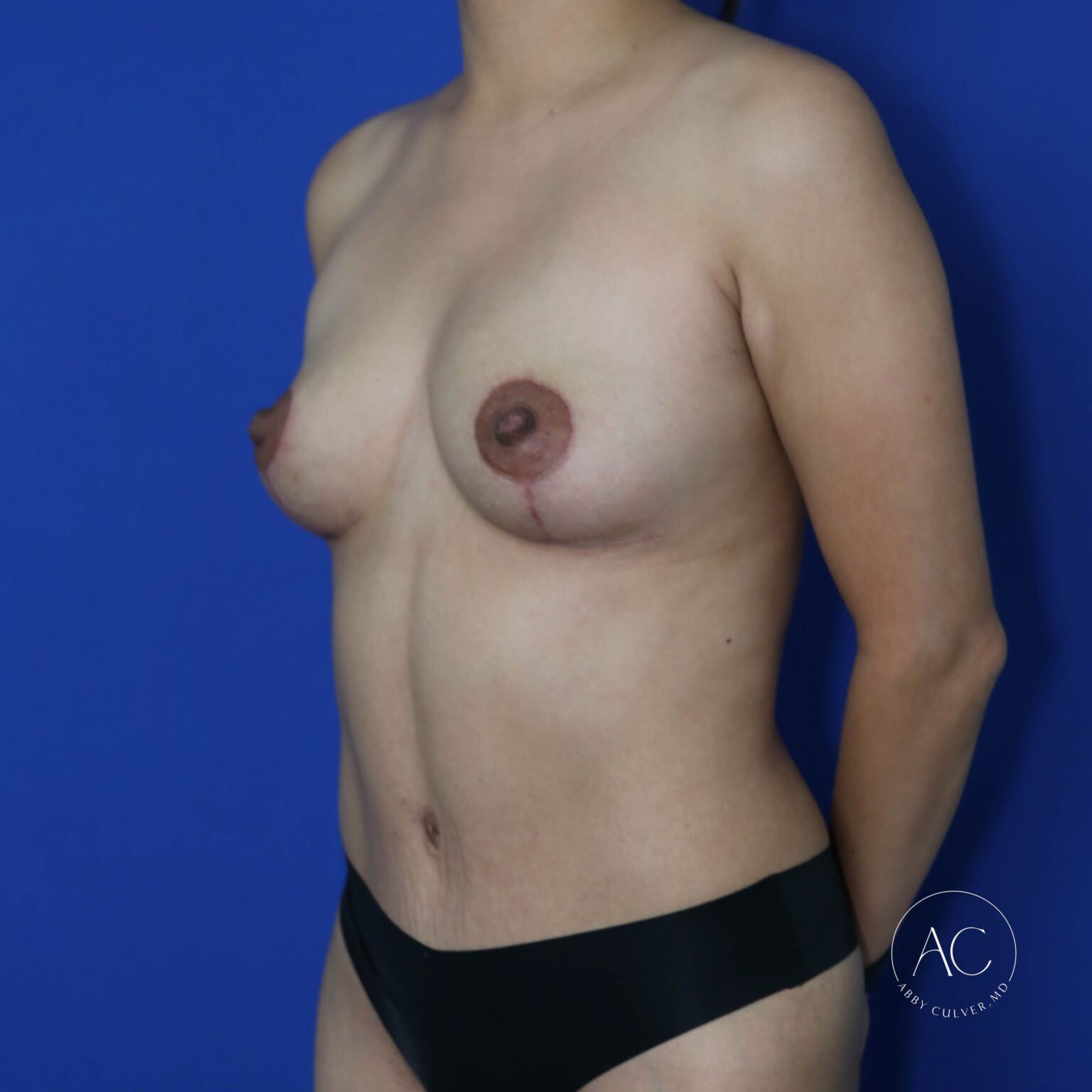
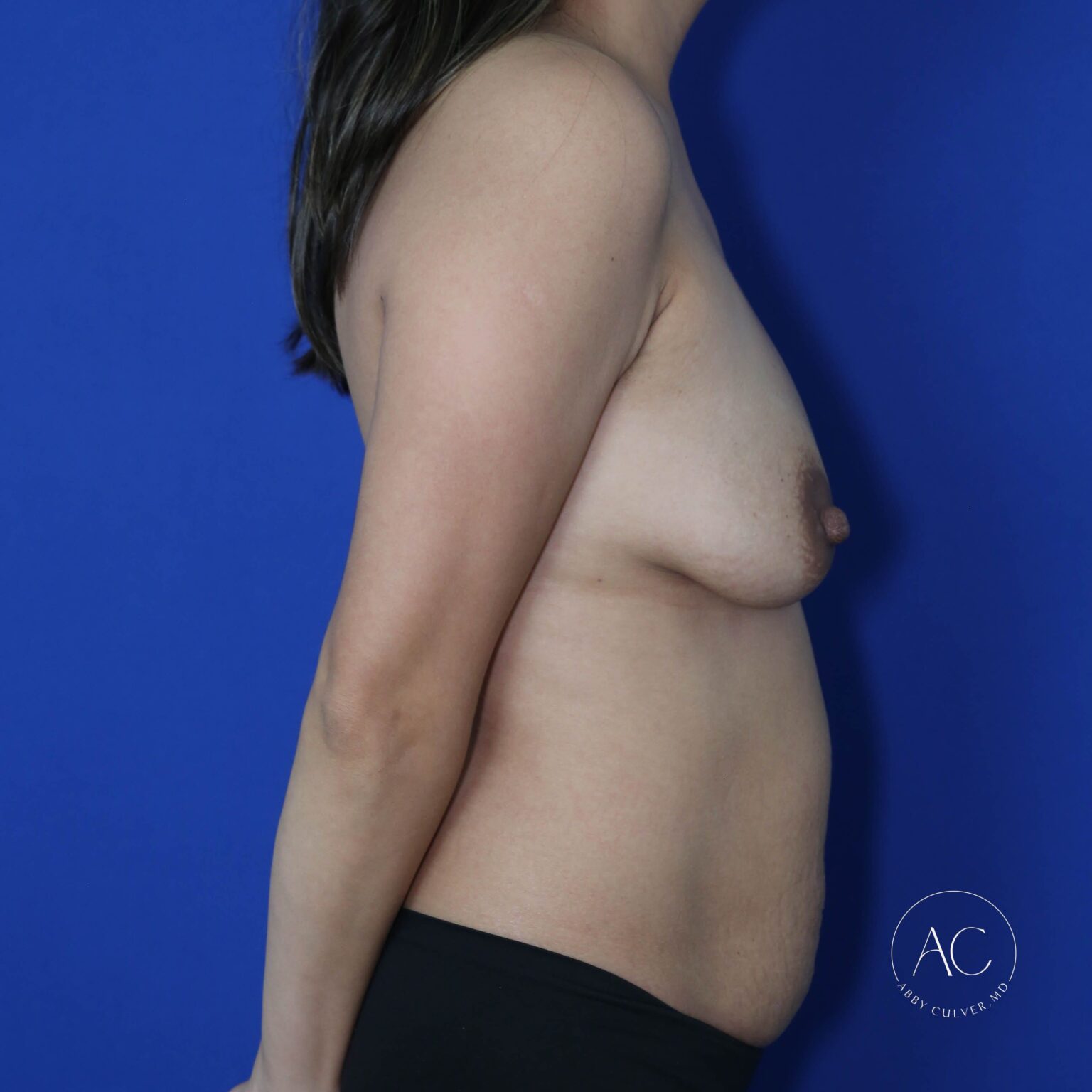
Maybe it happened after pregnancy and breastfeeding, after weight loss you worked hard for, or so slowly you only noticed it in a fitting room. A breast lift in Dallas with board-certified plastic surgeon Dr. Abby Culver raises sagging breasts, removes excess skin, and brings the nipple and areola back where they belong, so your shape looks like you again.
Dr. Culver shows you where each incision will go and how your scars should heal, so nothing comes as a surprise. Surgery takes place in an accredited operating facility in Texas.


Choosing a breast lift surgeon is deeply personal. You deserve training you can verify, and the understanding of a woman who knows what you hope to feel afterward.
Dr. Culver’s qualifications include:
As a board-certified female plastic surgeon, Dr. Culver hears the same questions at every breast lift consultation. Will it look natural? Will people notice the scars? Her answer is natural-looking results that help you become the best version of your already beautiful self.

A breast lift, clinically called mastopexy, is breast surgery that removes stretched skin, reshapes the breast tissue, and moves the nipple-areolar complex higher for a firmer, perkier shape. A traditional breast lift does not make you bigger; if you miss your old fullness, it can be paired with implants.
For a moderate sag, a Lollipop Lift is often enough. More significant sagging, or ptosis, usually calls for an Anchor Lift.
None of this is your fault. Pregnancy, breastfeeding, weight gain and weight loss stretch the skin and shrink the tissue beneath it, and aging reduces skin elasticity. Over time the breasts droop below the inframammary fold and the nipples point downward.
Women who choose mastopexy in Dallas with Dr. Culver rarely want a dramatic change. They want to recognize themselves in the mirror again.
Your nipples and areolas move back above the breast crease, and your breasts sit higher on the chest wall. The result is a more youthful appearance in fitted clothing or with no bra at all.
If one breast sits a little lower or one areola looks larger, you are in good company. A breast lift brings your breasts into better balance, and for Grade I and Grade II ptosis, Dr. Culver keeps incisions as short as your correction allows.
No two breast lifts are alike. Dr. Culver weighs your breast size, skin laxity, and any existing breast implants or prior breast revision, then you decide together whether a breast lift alone gives you the result you want.
Patients rarely talk about cup sizes. They talk about a favorite top fitting again, or no longer reaching for a push-up bra every morning. Their breast shape finally feels like their own, and that quiet confidence shows.
Most breast lift patients want breasts that sit higher and look firmer, not bigger. If that sounds like you, you may be a strong candidate. At your private consultation, Dr. Culver examines your anatomy, listens to your goals, and tells you honestly whether surgery makes sense right now. Good candidates typically share these traits:
Knowing what comes next makes everything easier. Here is your breast lift procedure, from first conversation to full recovery.
Your first visit is unhurried. Dr. Culver examines your breasts, explains in plain language whether a lift alone or a lift with breast augmentation fits your goals, and sends you home with an individualized surgical plan and time to think.
Our team gives you clear instructions on which medications to pause and when to stop smoking. Arrange for someone to drive you home, and keep a few button-front tops ready so you do not need to lift your arms.
Dr. Culver chooses among three breast lift options and shows you which fits your anatomy. A Lollipop Lift circles the areola and runs down to the breast crease. An Anchor Lift adds an incision along the crease for more significant sagging, and milder cases may suit a short-scar technique. Most scars fade considerably over the first year.
Dr. Culver makes her final markings with you standing, then performs your breast lift surgery under anesthesia, placing each incision to keep scarring discreet. Most patients go home the same day.
Breast lift recovery is gradual, and it helps to plan for real downtime. Our team checks in at every stage:

Many women want to address another concern at the same time. Combining plastic surgery procedures means one plan and one recovery.
Miss the fullness you once had? Pairing your lift with breast augmentation uses silicone or saline implants to restore upper pole fullness and cleavage, while the lift corrects position and loose skin.
If heavy breasts are part of the problem, a lift with breast reduction gives you smaller, lifted breasts, and often real relief from years of neck and back strain.
In a mommy makeover, your lift is paired with abdominal repair and liposuction in one operation. It is a chance to care for yourself after years of caring for everyone else.
A tummy tuck with a breast lift treats the two areas that change most after pregnancy or major weight loss.
The first step is simply a conversation. At your private breast lift consultation, Dr. Culver hears what bothers you, examines your breast anatomy, and builds an individualized surgical plan around your goals. You will understand your incisions, recovery, and costs before deciding, with no pressure either way.


A breast lift in Dallas with Dr. Culver typically costs between $10,500 and $12,500. Your final breast lift cost depends on the technique you need and whether you combine procedures such as breast augmentation. Because mastopexy is cosmetic, insurance rarely covers it, but financing is available through Cherry for monthly payments. You receive your exact quote at consultation, so you can plan with confidence.
Every surgery carries risks, and you deserve to know them. For a breast lift, the main ones are scarring and changes in nipple sensation, and some patients notice asymmetry that needs a follow-up. Bleeding, infection, blood clots, and delayed wound healing are uncommon with proper care. Dr. Culver explains how she lowers each risk.
Results last for many years, though no surgery stops time. Age, pregnancy, and weight fluctuations will still affect your breasts, so keeping a stable weight and wearing a good support bra helps your new shape last.
In most cases, yes. Your nipple stays attached to the underlying tissue as it is repositioned higher, which helps it look natural, and stretched areolas can be reduced at the same time. Early numbness usually improves within months, and many women can still breastfeed later, though this is never guaranteed.
The main trade-off is scarring, which is visible up close but usually softens with time. Recovery takes several weeks. At consultation, Dr. Culver walks you through short-scar options and what to expect as you heal.