Facial plastic surgery addresses the structural changes that come with anatomy and aging: heaviness in the brow, hooding or puffiness around the eyes, laxity along the jawline, banding in the neck, and proportion at the lip and chin. Dr. Abby Culver is a board-certified plastic surgeon in Dallas who completed a six-year integrated plastic surgery residency at UT Southwestern and later served on its faculty. Outcomes depend on individual anatomy and healing, and results vary between patients.


Elevate your look with a Brow Lift from Dr. Culver in Dallas. Specializing in Brow Lifts, our clinic offers personalized care to refine your facial features and enhance your natural beauty. Experience the benefits of a brow lift in Dallas TX; schedule your consultation today!
A chin implant reshapes a weak or recessed chin, bringing the lower face into proportion with the nose and jawline. Board-certified plastic surgeon Dr. Abby Culver performs chin augmentation in Dallas with a focus on natural-looking balance built around your anatomy. Ready to see whether the procedure fits your profile and your goals?
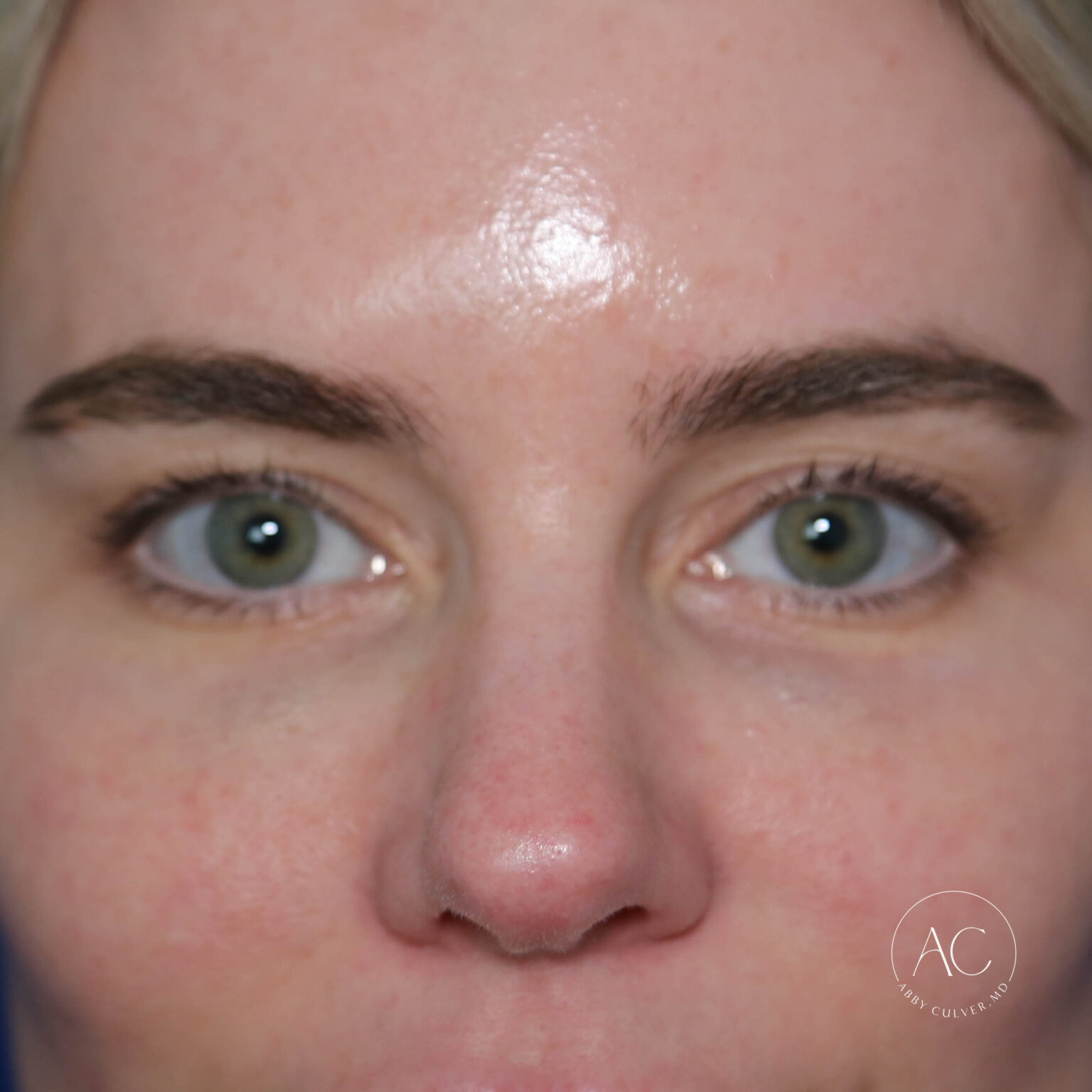
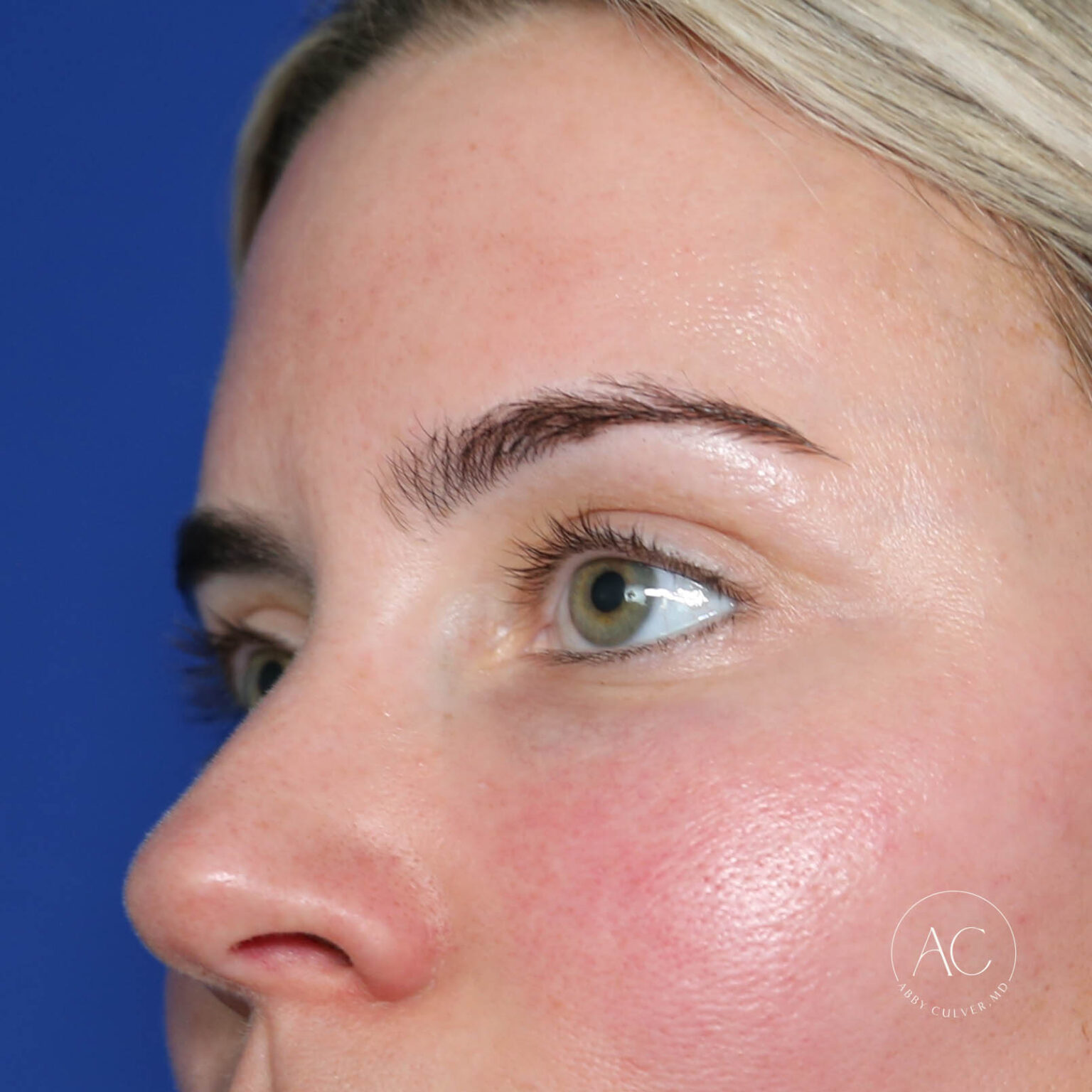
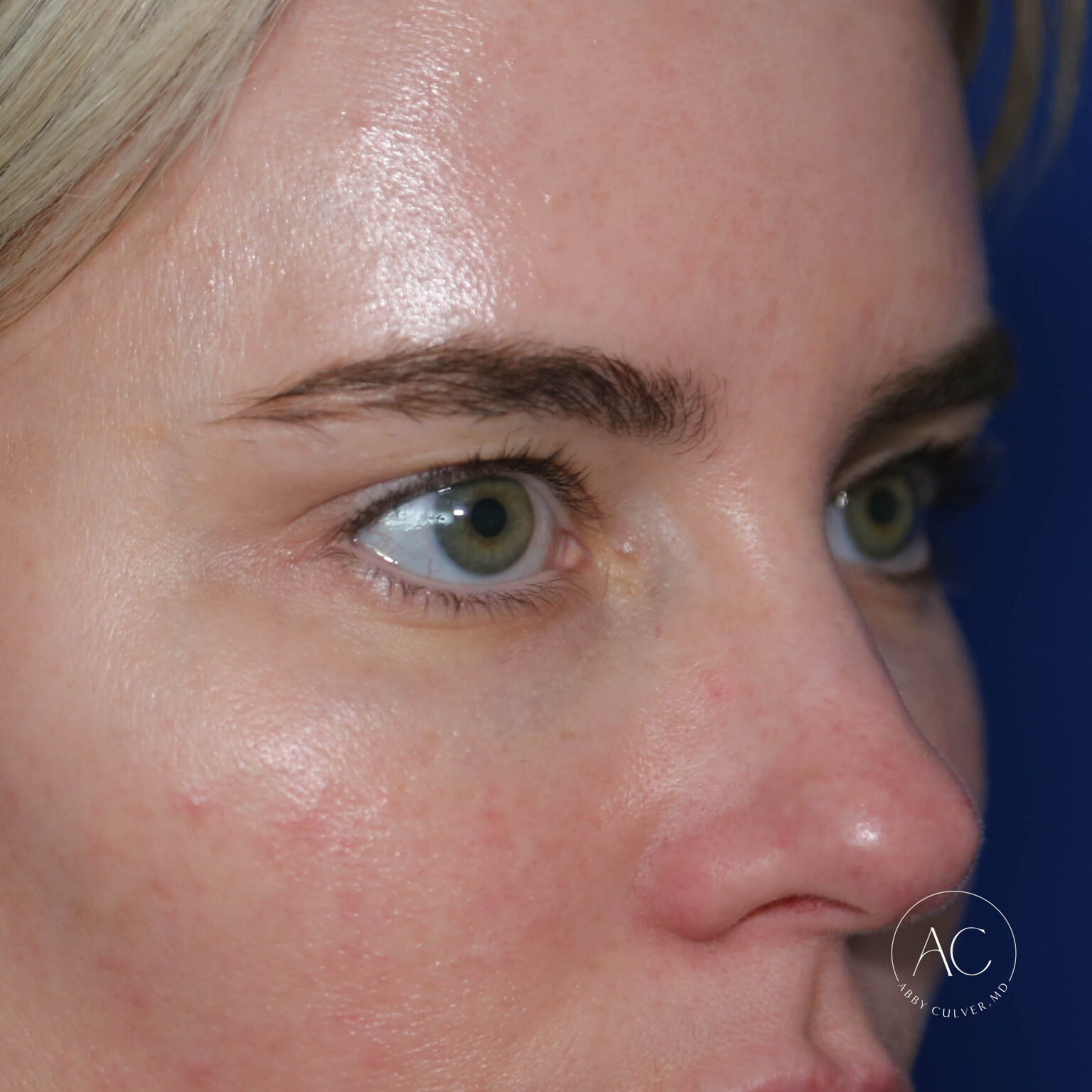
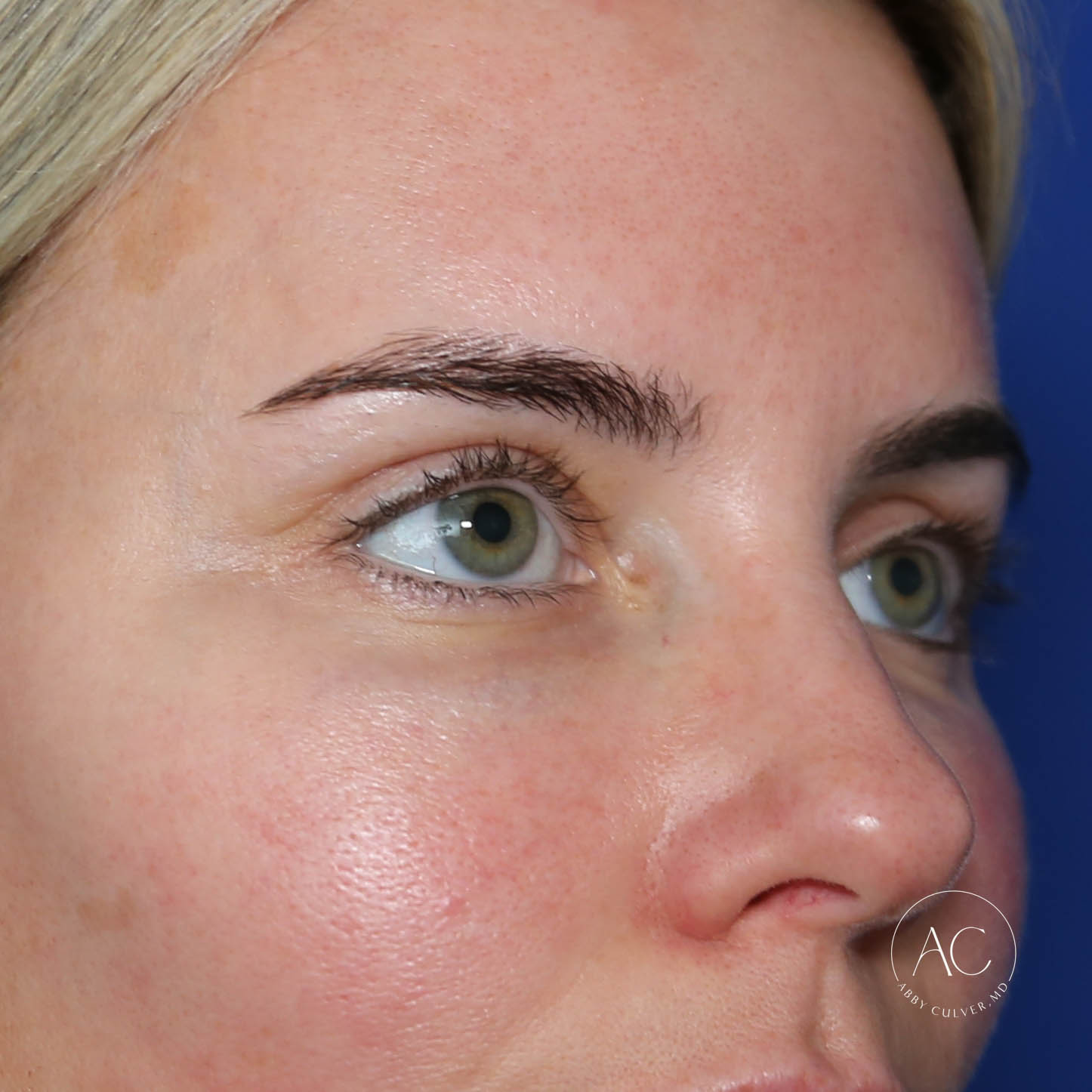
Heaviness in the upper face usually begins at the brow or the lids. A brow lift repositions the underlying tissues and tightens excess forehead skin, with the endoscopic option noted for minimal scarring and a shorter recovery time. Blepharoplasty works on the lids themselves, removing or repositioning excess skin, fat, and sometimes muscle from the upper or lower eyelids. The two are assessed together.
Two procedures here address proportion rather than laxity. A lip lift shortens the distance between the nose and the upper lip, most often through a subnasal incision hidden at the base of the nose, with the aim of increasing visible lip without filler. A chin implant strengthens the profile through a hidden submental incision, with the implant set into a precise pocket and sometimes secured with sutures or small screws.
This is where the two most extensive procedures overlap. A facelift addresses lax skin, fascial architecture, and deeper structures across the lower face and neck, and is the option when jowls and deep nasolabial folds are part of the picture. A neck lift works through incisions placed behind the ears and beneath the chin, tightening weakened neck musculature and removing submental fat. It suits patients whose concern is platysmal banding or a double chin without significant midface change. Where both areas are involved, that comes out at consultation.

Facial procedures are commonly grouped or staged because they treat adjacent structures. A brow lift and upper blepharoplasty both act on the upper face, and treating one alone can leave the other looking untouched. A facelift that includes the neck may make a separate neck lift unnecessary, while a chin implant may support jawline definition in ways lifting alone may not. Grouping can reduce the number of separate anesthesia events and recovery periods, though it lengthens a single operation. Dr. Culver sets sequence and grouping from your anatomy and health history rather than from a standard package.

Dr. Abby Culver trained through a six-year integrated plastic surgery residency at UT Southwestern and later taught there as faculty. She is board certified by the American Board of Plastic Surgery and a member of Alpha Omega Alpha. Her published research includes work on device-based skin rejuvenation and on wound healing and scar optimization, which informs how she plans and places incisions on the face.


It depends on how far the concern extends. A neck lift targets platysmal banding, submental fat, and neck laxity. A facelift addresses those alongside jowls and deep nasolabial folds in the lower face. Dr. Culver assesses both areas together at consultation before recommending either.
Recovery varies by procedure. After eyelid surgery, many return to desk-based work toward the end of the first week. After a facelift, most return to work and social activities during weeks two through four. Strenuous exercise typically waits four to six weeks.
Placement follows the procedure. Eyelid incisions sit in the natural lid crease or on the inner lid surface, and neck lift incisions sit behind the ears and beneath the chin. Scars keep fading for months.
Often, yes. Brow lift with blepharoplasty, and facelift with neck lift, are common pairings because they treat adjacent structures. Grouping means one anesthesia event and one recovery period, but a longer operation. Suitability depends on health history and total operative time.
There is no fixed age. Candidacy rests on the degree of laxity present, general health, and whether you smoke, since nonsmokers show fewer postoperative complications. Patients with thyroid conditions, dry eye, or glaucoma should raise them before eyelid surgery.